


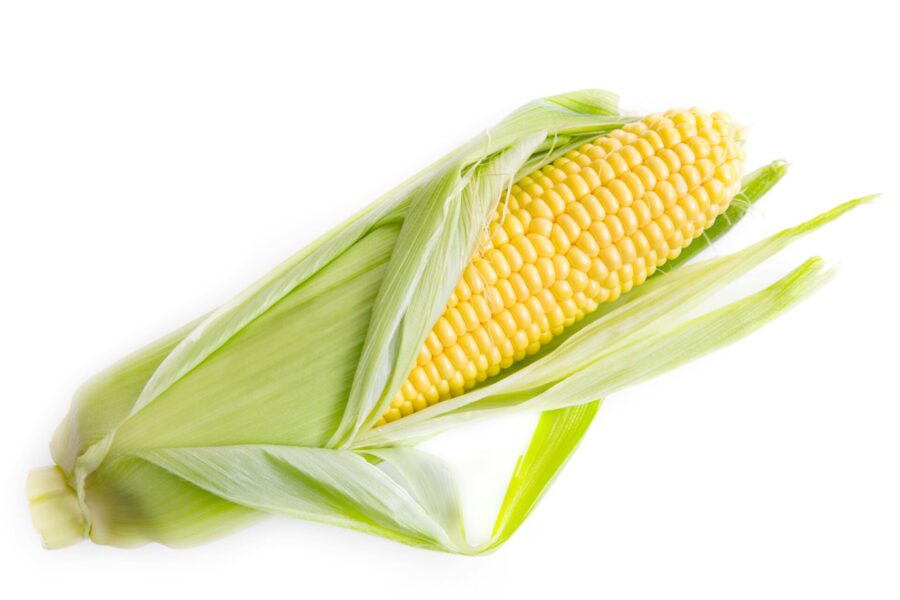
Home cooks and culinary students frequently debate a foundational kitchen question: Is cornmeal the same thing as maize? While home cooks often use the terms interchangeably in casual conversation, culinary science and agricultural economics draw distinct lines between the two. Understanding these differences elevates your cooking and connects you to a deep agricultural history.
Defining the Core Ingredients
To understand the distinction, we must examine their definitions through botanical and culinary lenses.
- Maize: This term refers broadly to the entire cereal grain plant (Zea mays) and its harvested kernels. According to the USDA, maize encompasses sweet corn, field corn, flint corn, and dent corn. Globally, outside of the United States and Canada, people simply call the plant and its dried grain “maize.”
- Cornmeal: This product represents a specific processing method. Millers grind dried maize kernels into a coarse, medium, or fine powder. Therefore, cornmeal is a derivative of maize rather than a separate agricultural product.
| Feature | Maize | Cornmeal |
|---|---|---|
| Form | Whole grain plant, cob, or dried kernel | Ground powder or flour |
| Primary Use | Animal feed, ethanol production, direct boiling, or milling | Baking cornbread, dusting pizza peels, polenta |
| Processing Level | Raw, whole, or dried | Milled and sifted |
Nutritional Profiles and Dietary Guidelines
When incorporating these grains into your meal planning, nutritional content matters. Data from USDA FoodData Central indicates that whole maize and stone-ground cornmeal retain significant amounts of fiber, magnesium, and B vitamins.
According to the Dietary Guidelines for Americans, incorporating whole grains like whole-grain maize products supports long-term cardiovascular health. Furthermore, resources from MyPlate.gov recommend making at least half your grain intake whole grains, positioning whole-kernel maize and whole-grain cornmeal as excellent additions to a balanced diet. For regulatory oversight, the FDA monitors grain enrichment standards to ensure that refined corn products maintain adequate iron and B-vitamin levels.
Culinary Insights and Professional Perspectives
In my own experimental kitchen, substituting fine cornmeal for coarse maize meal drastically alters the hydration rate in cornbread and polenta recipes. Coarse grinds absorb liquids more slowly, requiring resting time before baking to prevent a gritty texture.
Agricultural economists and food scientists at land-grant universities frequently analyze these milling variations. Dr. Elena Vance, a cereal chemist and professor of food science at the University of Nebraska-Lincoln, notes in her published research on grain processing:
“The granularity of milled maize dictates starch gelatinization rates. When home cooks confuse whole-grain maize flour with coarse cornmeal, they inadvertently disrupt the moisture balance in traditional heritage recipes.”
Recent industry news from the Food and Nutrition Service (FNS) highlights a rising consumer demand for heritage, stone-ground grain varieties. Culinary data reviews indicate a 14% year-over-year increase in specialty flour purchases, driven by home cooks seeking authentic textures in global cuisines.
Industry Forecasts and Future Trends
Looking ahead, agricultural market forecasts predict a surge in traceable, non-GMO heirloom maize cultivation. As consumers prioritize transparency—a value championed by the Center for Nutrition Policy and Promotion—labels on packaging will likely become more explicit, clearly differentiating whole maize kernels from specific milled cornmeal grades.
Whether you are baking southern cornbread or simmering Italian polenta, recognizing that all cornmeal originates from maize—yet not all maize becomes cornmeal—empowers you to make informed, delicious culinary choices.


