


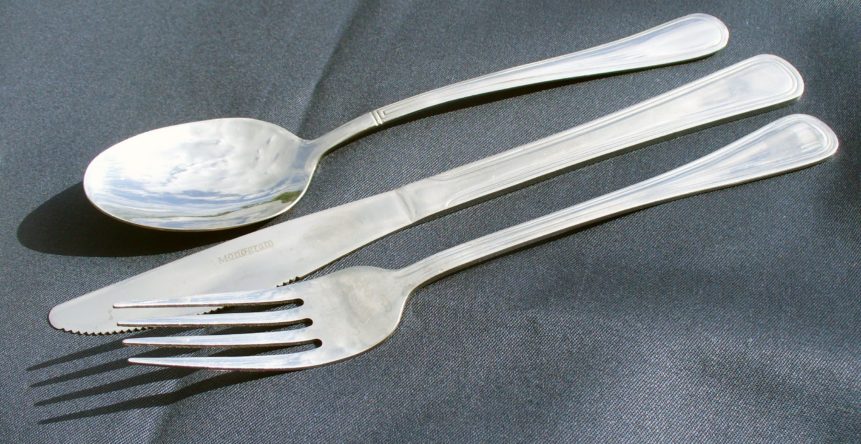
Cutlery, often an overlooked aspect of dining, plays a significant role in our culinary experiences. From the simplest family meal to a lavish banquet, the types and designs of cutlery we use can enhance not just the aesthetics of the table setting but also the functionality and enjoyment of today food recipes. This article explores the various dimensions of cutlery, its evolution, and its impact on dining culture.
A Brief History of Cutlery
Cutlery has a rich history that dates back to ancient civilizations. The word itself derives from the Latin “cultellus,” meaning a small knife. Initially, dining utensils were rudimentary, made from natural materials like wood, bone, or stone. The use of metals emerged around the Bronze Age, with copper and bronze being common choices.
By the Middle Ages, cutlery began to take on a more recognizable form, with the introduction of knives, forks, and spoons into daily use. The fork, initially a novelty, became popular in Europe by the 16th century, signifying a shift in dining etiquette. This period also saw the rise of specialized utensils, catering to the growing complexity of European cuisine.
The Types of Cutlery
Modern cutlery can be classified into several essential categories, each serving a distinct purpose:
- Knives: The backbone of any cutlery set, knives are designed for cutting, slicing, and spreading. Common types include chef’s knives, steak knives, and butter knives.
- Forks: Essential for piercing and lifting food, forks come in various forms such as dinner forks, salad forks, and dessert forks.
- Spoons: Used for scooping and serving, spoons vary in size and function. Teaspoons, soup spoons, and serving spoons each play a specific role in the dining experience.
- Specialized Utensils: Many cuisines introduce unique utensils that enhance specific dining experiences, such as chopsticks in Asian cultures or sporks for casual dining.
The Significance of Cutlery in Dining Etiquette
The type of cutlery used during a meal can also signify the formality of the occasion. Understanding basic today food recipes etiquette can elevate the dining experience, making it more enjoyable for everyone involved. For instance, knowing which utensils to use first can be crucial in a multi-course meal. Additionally, cutlery design can reflect cultural values and aesthetics. From elegant silverware sets to rustic wooden utensils, the materials and designs chosen can convey a message about the host’s style and personality.
Caring for Your Cutlery
To maintain the longevity and functionality of your cutlery, proper care is essential. Here are some simple tips:
- Washing: Hand wash cutlery in warm, soapy water instead of using a dishwasher, especially for delicate or ornate pieces.
- Drying: Always dry cutlery immediately to prevent water spots or rust, particularly with stainless steel or silver items.
- Storage: Store cutlery in a designated drawer or case to prevent scratches and maintain organization.
As we evolve in our culinary pursuits, understanding and appreciating the nuances of cutlery can enrich our dining experiences. Whether you are setting the table for a special occasion or enjoying a casual meal at home, let the cutlery you choose reflect the joy of today food recipes and the beauty of shared experiences.


