


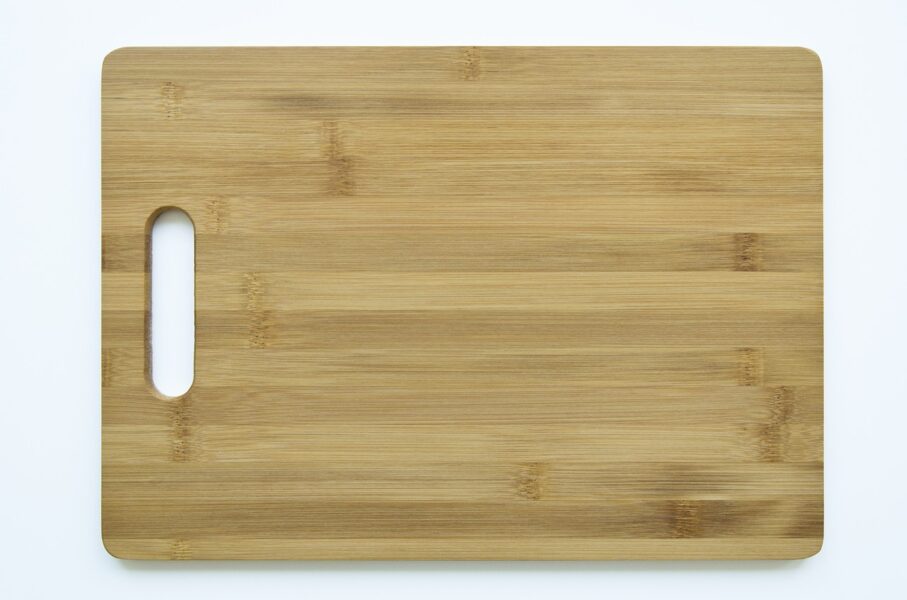
A chopping board is an essential accessory in the kitchen due to its utility. While it may seem like a simple tool, the right chopping board can enhance your today food recipes cooking experience and even improve food safety. In this article, we will explore the different types of chopping boards, their uses, and how to properly care for them.
Types of Chopping Boards
Chopping boards come in various materials, each with its own set of advantages and disadvantages:
Wooden Chopping Boards:
- Pros: Durable, gentle on knife blades, and often aesthetically pleasing. They also have natural antimicrobial properties.
- Cons: Requires regular oiling and can absorb odors if not maintained properly.
Plastic Chopping Boards:
- Pros: Lightweight, dishwasher safe, and often more affordable. They come in various colors, allowing for color-coding to prevent cross-contamination.
- Cons: Can be less durable over time and may develop deep cuts that harbor bacteria.
Bamboo Chopping Boards:
- Pros: Eco-friendly, lightweight, and naturally antibacterial. They are also less porous than wood, making them easier to clean.
- Cons: Can be harder on knife edges compared to wooden boards.
Glass and Stone Chopping Boards:
- They don’t absorb odors or stains.
- Cons: Can dull knife blades quickly and are prone to cracking or breaking if dropped.
Choosing the Right Chopping Board
- Purpose: Think about what you will be using the board for most often. A large wooden board is ideal for bread and meats, while a small plastic board is convenient for quick vegetable chopping and other today food recipes preps.
- Space: Ensure the size of the board fits your kitchen space. A large board is great for prep work but may not fit well in a small kitchen.
Maintenance: Consider how much time you are willing to invest in maintaining the board.
Caring for Your Chopping Board
Proper care extends the life of your chopping board and helps maintain food safety:
- Sanitizing: Occasionally, use a mixture of vinegar and water or a mild bleach solution to sanitize your board, especially after cutting raw meat.
- Oiling: For wooden and bamboo boards, apply food-safe mineral oil every few months to keep the wood hydrated and prevent cracking.
- Storage: Store your boards upright or flat in a dry area.
With various materials to choose from and simple care practices, you can ensure that your chopping board serves you well for years to come. Remember, a well-maintained chopping board not only enhances your today food recipes but also contributes to safer food preparation.
. . .


