


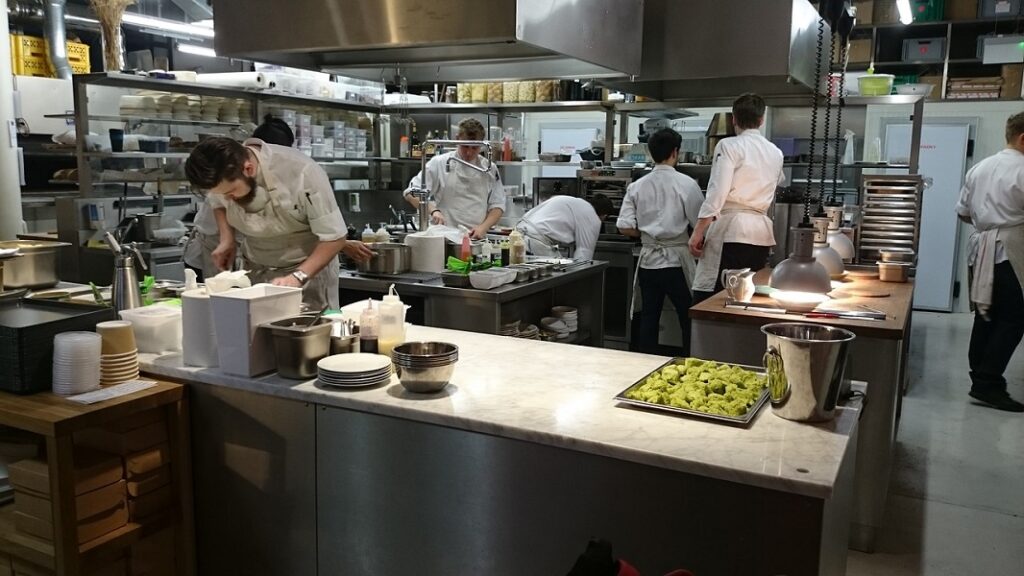
The creation of a new dish is often perceived as a magical burst of inspiration. In reality, it is a disciplined, multi-stage process that blends artistic vision with technical rigor. Professional chefs systematically transform raw ideas into refined menu offerings, balancing creativity with the practical demands of a commercial kitchen.
1. Cultural and Historical Exploration:
They study global cuisines, historical cookbooks, and food anthropology to understand traditional techniques and flavor combinations.
Ingredient Discovery:
A visit to a farmers’ market, a specialty purveyor, or a foraging expedition can spark an idea around a seasonal, novel, or heirloom ingredient.
Cross-Disciplinary Influence:
Chefs draw from art, music, architecture, and science. A color palette, a musical composition’s rhythm, or a scientific principle like Maillard reaction can inform a dish’s components and presentation.
Problem-Solving:
Frequently, a new dish addresses a practical need—utilizing a surplus ingredient, creating a more efficient preparation method, or catering to a dietary trend without sacrificing flavor.
2. Foundational Mastery:
The Non-Negotiable Toolkit No chef can innovate without first mastering the fundamentals. This deep expertise in classic French and other culinary techniques—sauces, butchery, fermentation, baking—provides the essential vocabulary. This mastery allows a chef to deconstruct and reconstruct dishes with intention, understanding the precise impact of each technique on texture, flavor, and mouthfeel. Knowledge of flavor profiles and how ingredients interact is equally critical.
Component Breakdown:
They analyze the proposed dish into its core elements: protein, vegetable, starch, sauce, garnish, and texture.
Technical Application: They apply their techniques to each component, testing cooking methods (sous vide, roasting, smoking), seasoning levels, and textures.
Flavor Balancing:
They meticulously adjust the five fundamental tastes—sweet, sour, salty, bitter, umami—and aromatic elements like herbs and spices. The goal is harmony, where no single element overwhelms the palate.
Texture Contrast:
Great dishes often juxtapose textures (creamy vs. crispy, soft vs. crunchy). Chefs experiment to achieve this dynamic contrast.
Sensory Critique:
The chef and their team taste the dish repeatedly, often blind, to evaluate its balance, complexity, and memorability. Does it tell a compelling story
Aesthetic Design:
The visual composition on the plate is considered with an artist’s eye. Color, height, negative space, and the choice of serveware all contribute to the diner’s first impression.
Operational Viability:
The kitchen team tests the recipe for speed, scalability, and consistency. Can line cooks reproduce it perfectly during a busy service Does it require prohibitively expensive equipment or rare ingredients
Conclusion:
Ultimately, the creation of a new dish is not an act of spontaneous genius but a structured dialogue between imagination and constraint. It demands a chef be a researcher, a technician, an artist, and a business operator.
The most successful innovations emerge from this disciplined process, where a deep respect for tradition fuels confident exploration, and relentless refinement transforms a compelling idea into a cohesive, repeatable, and delightful culinary experience. The dish that captivates a diner is almost always the product of dozens, if not hundreds, of deliberate decisions made behind the scenes.


