


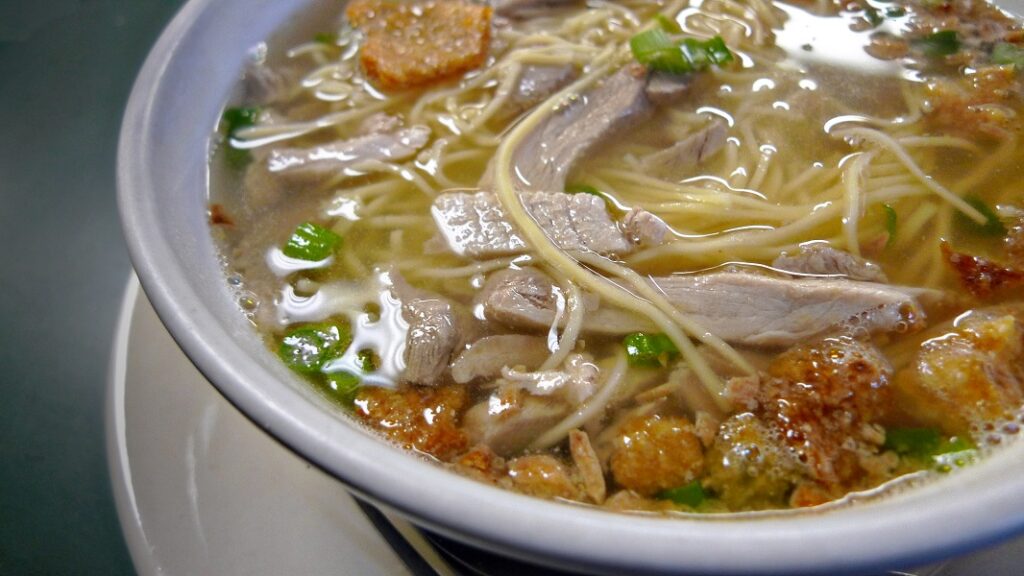
The Philippines boasts a rich culinary heritage that celebrates rice, seafood, and an abundance of fresh vegetables. Among its most beloved creations, noodle dishes—collectively known as pancit—occupy a special place on family tables, festive gatherings, and street-food stalls alike. This guide presents the most celebrated varieties, outlines their hallmark ingredients, and explains why they capture the hearts of diners nationwide.
1. Canton
A stir-fried wheat noodle dish inspired by Chinese cuisine, yet uniquely Filipino in flavor.
Key ingredients: Canton noodles, sliced pork, shrimp, chicken, carrots, cabbage, bell peppers, garlic, soy sauce, and a splash of oyster sauce.
Why it matters: Filipinos serve Pancit Canton at birthdays, weddings, and graduation parties because they believe the long strands symbolize prosperity and longevity. The dish’s vibrant colors and savory aroma invite guests to celebrate together.
2. Bihon
A delicate, rice-vermicelli preparation that showcases lightness and texture.
Key ingredients: Thin rice noodles, shredded chicken or pork, shrimp, sautéed onions, garlic, carrots, beansprouts, and a drizzle of fish sauce.
Why it matters: Families often prepare Pancit Bihon for fiestas and bayanihan events, because the dish’s slender strands convey unity and togetherness. Its quick cooking time makes it a practical choice for large crowds.
3. Palabok
A richly sauced noodle plate crowned with an array of toppings.
Key ingredients: Thick rice noodles, a shrimp-infused orange sauce thickened with cornstarch, crushed chicharon (pork cracklings), boiled eggs, ground pork, scallions, and a squeeze of calamansi.
Why it matters: The bright orange hue of the sauce evokes celebration, while the crunchy chicharon adds textural contrast. Restaurants and home cooks alike serve Palabok during holidays, believing that its hearty profile brings good fortune.
4. Sotanghon
A clear-broth noodle soup that highlights the subtle flavor of glass noodles.
Key ingredients: Sotanghon (glass noodles), shredded chicken, sliced mushrooms, carrots, celery, and a fragrant broth seasoned with ginger, garlic, and soy sauce.
Why it matters: Many families turn to Sotanghon for comfort during rainy evenings or when nursing a cold. The light broth and gentle heat provide nourishment without overwhelming the palate.
5. Malabon
A coastal-inspired noodle dish that celebrates the bounty of the sea.
Key ingredients: Thick rice noodles, a thick shrimp-and crab sauce, mussels, clams, hard-boiled eggs, and a garnish of toasted garlic and green onions.
Why it matters: Residents of the Visayas and Luzon coastal provinces cherish Pancit Malabon for its authentic maritime flavors. The dish’s generous seafood portion reflects the region’s deep connection to the ocean.
6. Molo (a noodle-free variation)
Although technically a dumpling soup, Filipinos often list Pancit Molo alongside noodle dishes because of its comforting, broth-based nature.
Key ingredients: Wonton-style wrappers filled with ground pork, shrimp, and scallions, simmered in a clear chicken broth and finished with toasted garlic.
Why it matters: Communities serve Pancit Molo during the Christmas season, believing that its warm broth fosters togetherness and gratitude.
Cultural Significance
Filipinos treat noodle dishes as more than sustenance; they serve as symbols of abundance, unity, and celebration. Long strands represent longevity, while the act of sharing a communal plate reinforces social bonds. Whether prepared in a bustling kitchen or a modest home, each pancit variant tells a story of regional influence, historical trade, and the Filipino spirit of hospitality.
Bringing These Dishes Home
To experience authentic Filipino flavors, source fresh ingredients: local shrimp, quality soy sauce, and genuine calamansi juice. Cook noodles al dente, stir-fry quickly over high heat, and finish each dish with a garnish of toasted garlic or fresh scallions. By following these guidelines, home cooks can recreate the vibrant, comforting taste of the Philippines and share it with friends and family.
Explore the world of Filipino noodles today—taste tradition, celebrate community, and savor the flavors that have delighted generations.


