


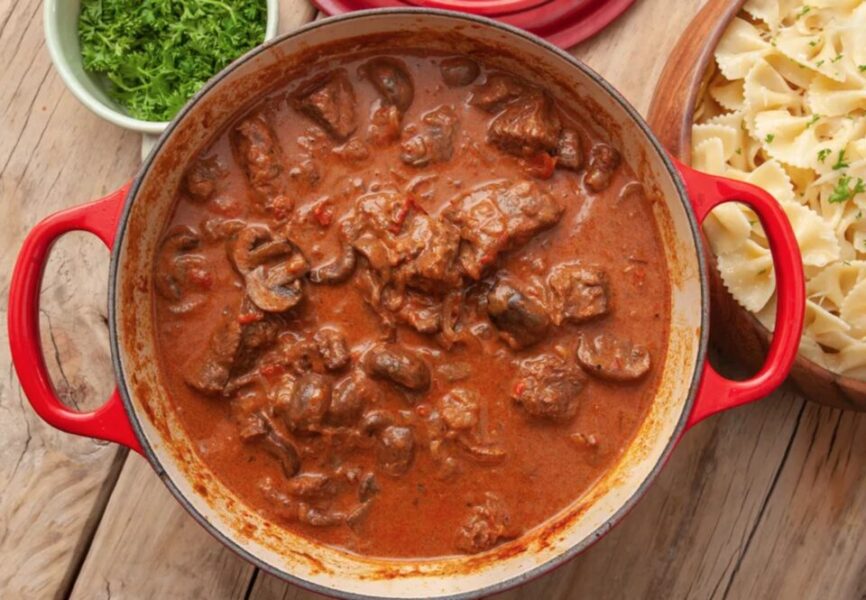
Goulash and chili share a reputation for heart‑warming comfort, yet they spring from distinct culinary traditions and follow separate ingredient rules. Understanding those differences helps cooks choose the right dish for a given occasion.
Geographic roots
Goulash originates in Hungary, where centuries‑old paprika farms shape the stew’s signature color. Chili emerged in the American Southwest, especially Texas, reflecting the region’s blend of Mexican and frontier flavors. Each dish carries the cultural imprint of its homeland.
Core ingredients
Goulash centers on beef, sweet or smoked paprika, onions, and a modest amount of carrots or potatoes. The recipe rarely adds beans, and it avoids the fire‑heavy chilies that define its counterpart. Chili typically mixes ground or cubed beef with a variety of chili peppers, tomatoes, and often kidney or black beans. Garlic, cumin, and oregano frequently appear, creating a layered spice profile.
Flavor profile
Goulash delivers a mellow, slightly sweet heat. The paprika supplies a deep, earthy warmth without overwhelming the palate. Chili pursues a bolder, sharper heat; the blend of fresh and dried chilies produces a spicier, tangier taste. The presence of tomatoes in chili adds acidity, while goulash relies on broth and paprika for richness.
Cooking technique
Goulash cooks slowly over low heat, allowing the paprika to release its full color and flavor. The stew thickens as the vegetables break down, resulting in a creamy consistency. Chili also simmers for several hours, but cooks at a higher temperature to meld the peppers, tomatoes, and beans into a thick, stew‑like sauce.
Typical serving
Goulash often appears on a plate beside noodles, dumplings, or crusty bread, inviting diners to scoop up the sauce. Chili commonly arrives in a bowl, topped with cheese, sour cream, or chopped onions, and paired with rice or cornbread.
By recognizing these contrasts—origin, ingredients, heat level, cooking method, and presentation—readers can appreciate each dish on its own merits and select the perfect recipe for their next meal.


