


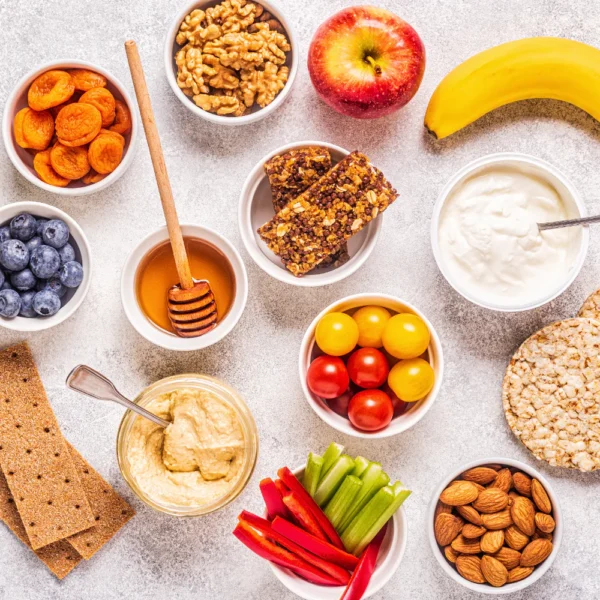
Determining a “normal” amount of food depends on individual factors such as age, gender, activity level, health goals, and cultural habits. Unlike universal standards, nutritional needs vary significantly from person to person. For example, an active athlete will require more calories than a sedentary office worker, while pregnant individuals need increased nutrient intake compared to nonpregnant adults.
OFFICIAL RECOMMENDATIONS
A useful starting point is to follow evidence-based dietary guidelines, such as those provided by health organizations like the World Health Organization (WHO) or the U.S. Department of Agriculture (USDA). These frameworks emphasize balanced meals with appropriate proportions of fruits, vegetables, whole grains, lean proteins, and healthy fats. For instance, the USDA’s MyPlate recommends filling half your plate with fruits and vegetables, a quarter with whole grains, and a quarter with protein, while limiting added sugars and unhealthy fats.
Intuitive eating encourages individuals to recognize physical hunger rather than emotional triggers and to stop eating when satisfied—not overly full. Practicing mindful portion control can also help. Simple strategies, such as using smaller plates, measuring servings, or comparing portions to common objects (e.g., a deck of cards for meat, a tennis ball for protein), foster awareness without strict counting.
GUARD AGAINST COMPARING
It is essential to avoid comparing your food to others, as societal norms or media portrayals may distort perceptions of “normal.” If you have specific health concerns, such as managing diabetes or weight, consult a registered dietitian or healthcare provider for personalized guidance.
Ultimately, a “normal” amount of food supports your unique energy needs while promoting physical and mental well-being. Prioritize balance, variety, and mindful eating to cultivate a sustainable, healthy relationship with food.


