


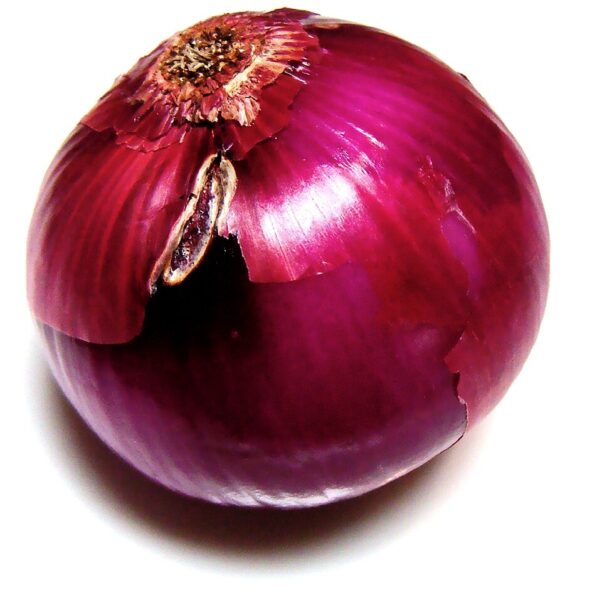
Onions belong to the vegetable family. Botanically, a fruit develops from the ovary of a flower and contains seeds. A vegetable, by contrast, comprises any edible part of a plant that does not meet the botanical definition of a fruit—such as roots, stems, leaves, or bulbs.
Botanical characteristics
The onion ( Allium cepa ) grows from a bulb, which is a swollen underground stem that stores nutrients for the plant. When gardeners harvest an onion, they cut the aerial leaves and leave the bulb intact. The bulb never forms from a flower’s ovary, and it does not contain seeds. Because the onion’s edible portion originates from a modified stem, scientists classify it as a vegetable.
Contemporary culinary use
Culinary traditions reinforce this classification. Chefs treat onions as a savory ingredient, using them to build flavors in various foods such as soups, sauces, stir‑fries, and roasts. In menus and grocery aisles, onions appear alongside carrots, potatoes, and lettuce—never with apples, tomatoes, or berries.
The distinction
Some might wonder whether the onion’s seed pod qualifies as a fruit. While the small, papery capsules that eventually develop on mature onion plants contain seeds, they represent a distinct stage of the plant’s life cycle and are not the part people typically consume. The edible portion remains the bulb, which retains its status as a vegetable.
To conclude, both botanical science and culinary practice agree: an onion is a vegetable, specifically a bulbous stem, not a fruit. Understanding this distinction helps you categorize ingredients accurately in your recipes and appreciate the diverse ways plants provide nourishment.


