


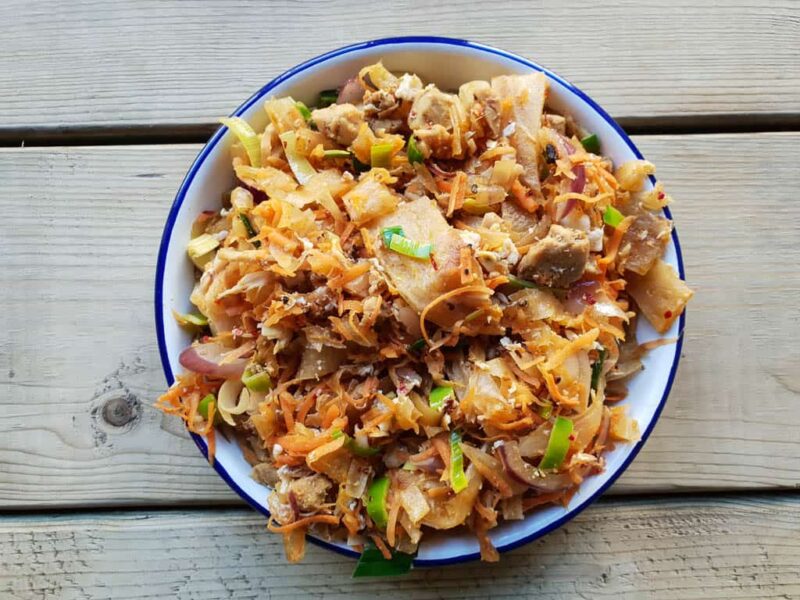
Before selecting a destination or itinerary, define your primary objectives. For discerning people, a culinary food tour transcends mere leisure; it represents a strategic opportunity for development, market insight generation, and unparalleled cultural immersion. This gastronomic expedition offers more than delightful flavors; it provides a direct conduit to understanding global food trends, sourcing innovations, and consumer preferences. You can maximize the value of such an experience through meticulous planning and clear objectives.
Define Your Strategic Objectives
Are you seeking market insights into emerging trends, exploring new ingredient sourcing opportunities, or identifying potential networking opportunities with local food industrys? Perhaps you aim for skill acquisition through masterclasses or a deeper understanding of regional heritage for product development. Articulating these goals will guide your tour selection and ensure a valuable return on investment.
Research and Select Your Destination
Successful gastronomic travel begins with informed destination research. Consider regions renowned for specific cuisines pertinent to your industry, or emerging markets showcasing innovative food landscapes. Evaluate factors like logistical accessibility, safety protocols, and the presence of a great cooking infrastructure. Researching local regulations, economic drivers, and key figures will further refine your choice, aligning it with your strategic development goals.
Choose the Right Tour Format and Operator
Selecting an appropriate tour format directly impacts your experience. Options range from structured group food tours, which offer diverse perspectives, to bespoke private tours designed specifically for your interests. When evaluating operators, prioritize those demonstrating deep local expertise, strong connections within the food industry, and a track record of facilitating encounters. A specialized operator can curate experiences that provide direct access to chefs, producers, and markets, significantly enhancing your exploration.
Meticulous Preparation and Logistics
Thorough preparation ensures a seamless journey. Address practicalities such as visa requirements, comprehensive travel insurance, and suitable accommodation. Communicate any dietary restrictions or objectives to your tour operator well in advance. Prepare for networking by bringing business cards and updating your profiles. Cultivate an open mindset, ready to engage with diverse cultures and unfamiliar practices fully. This proactive approach supports a productive gastronomic expedition.
Maximize Your Engagement and Learning
During your food tour, actively engage with every experience. Pose insightful questions to local chefs, producers, and expert guides. Document your observations and learnings through detailed notes, photographs, or even video, particularly for market research or future reference. Prioritize networking opportunities, exchanging insights with fellow participants and local industry contacts. Reflect regularly on your discoveries, connecting them back to your initial strategic objectives. This active participation transforms a tour into a powerful tool for development.
Summary
A strategically planned food tour offers unparalleled opportunities for growth, market intelligence, and cultural appreciation. By defining clear objectives, conducting thorough research, selecting the right partners, and maximizing engagement, yous can transform a gastronomic expedition into a highly valuable asset. Embark on your next culinary exploration with purpose, and unlock new dimensions for your journey.


