


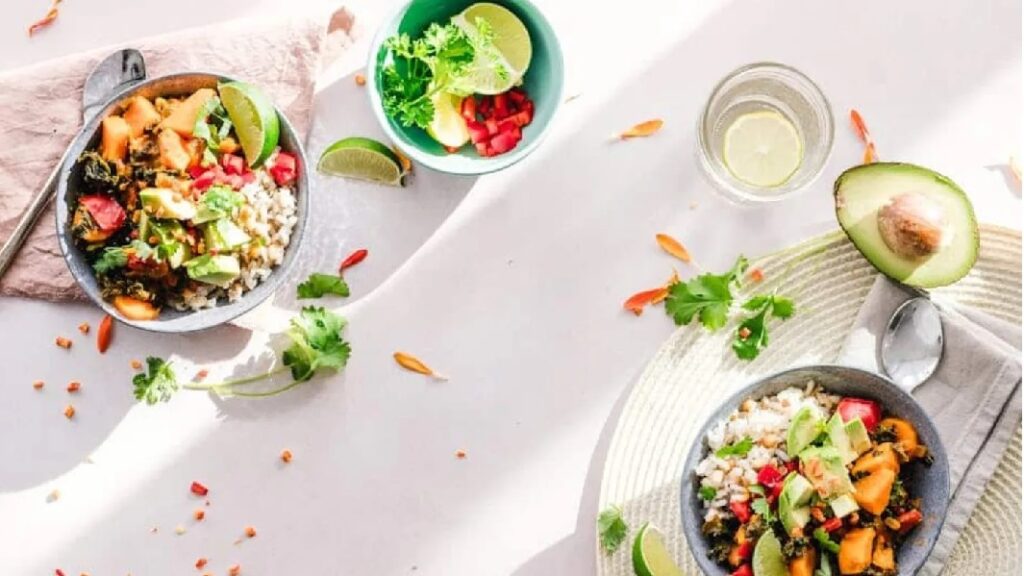
Managing a dietary regimen alongside a demanding professional life presents a unique set of challenges. Fortunately, by adopting a strategic approach to food preparation, you can elevate your culinary experience while steadfastly adhering to your dietary goals. This guide outlines essential techniques and considerations for enthusiasts seeking to cook effectively and healthily.
Foundational Principles for Diet-Conscious Cooking:
The cornerstone of successful diet-friendly cooking lies in intelligent ingredient selection and mindful preparation methods. Prioritize whole, unprocessed foods that naturally offer superior nutritional profiles. This recipe list includes lean proteins, an abundance of vegetables, fruits, and whole grains. When selecting ingredients, read labels diligently to identify hidden sugars, excessive sodium, and unhealthy fats.
Strategic Cooking Methods:
The cooking technique you employ significantly impacts the final nutritional content of your meal. Embrace methods that minimize the need for added fats and oils while maximizing flavor:
Steaming: This gentle method preserves nutrients and moisture in vegetables and fish, requiring no added fat. Consider using a steamer basket over boiling water or investing in a dedicated steam cooker.
Baking and Roasting: These dry-heat methods are ideal for lean meats, poultry, and root vegetables. They create delicious caramelization and a satisfying texture without excess oil. Utilize parchment paper or silicone mats to prevent sticking and further reduce oil requirements.
Grilling: Grilling imparts a distinct smoky flavor and allows fat to drip away from meats. Ensure your grill is clean and consider using marinades based on vinegar, citrus, or herbs for added flavor instead of heavy sauces.
Sautéing with Minimal Fat: When you need to sauté, opt for a good quality non-stick pan and use a minimal amount of healthy fats like olive oil or avocado oil. Preheat the pan adequately to prevent food from sticking. Broth or water can also serve as excellent liquid bases for sautéing.
Poaching: This delicate method involves simmering food in liquid, such as water, broth, or wine. It’s perfect for fish and chicken breasts, resulting in tender and moist proteins with minimal added calories.
Flavor Enhancement Without Added Calories:
Achieving a flavorful meal is paramount to sustained dietary adherence. Fortunately, numerous calorie-conscious options exist:
Herbs and Spices: These culinary powerhouses offer an explosion of flavor without contributing significant calories. Experiment with fresh and dried herbs like basil, oregano, thyme, rosemary, and cilantro. Similarly, explore ground spices such as cumin, paprika, turmeric, and chili powder to add depth and complexity.
Aromatics: Onions, garlic, ginger, and shallots form the flavor base for countless dishes. They add a rich savory dimension that can be amplified through proper cooking techniques.
Citrus Zest and Juice: Lemon, lime, and orange zest and juice provide brightness and acidity, cutting through richness and enhancing other flavors.
Vinegars: A variety of vinegars, from balsamic to red wine to apple cider, offer distinct flavor profiles that can elevate salads, marinades, and sauces.
Low-Sodium Broths and Stocks: Use these as a flavorful base for soups, stews, and sauces, replacing calorie-dense cream or oil-based options.
Meal Planning and Preparation Strategies:
For people with limited time, strategic meal planning and preparation are indispensable. Dedicate a portion of your weekend to planning your meals for the week. This allows you to create a comprehensive grocery list, minimizing impulsive and unhealthy purchases. Batch cooking components like roasted vegetables, grilled chicken, or cooked grains can significantly streamline weekday meal assembly. Portion control is also key; utilize pre-portioned containers to ensure you stay within your dietary targets.
Summary of this article
By integrating these principles and techniques into your food routine, you empower yourself to prepare delicious, satisfying meals that effectively support your dietary goals, even amidst a demanding professional schedule. Culinary excellence is not a barrier to healthy eating; it is its most potent ally.


