


In an era where the cost of living continues to rise, many families grapple with the challenge of providing nutritious meals without overspending. The perception often exists that healthy eating is inherently more expensive, but with strategic planning and smart choices, it is entirely possible to serve whole, wholesome meals that support family well-being and adhere to a tight budget.
MAKE YOUR DECISIONS FAR AHEAD
The cornerstone of successful budget-friendly healthy eating is meticulous meal planning. Dedicating time each week to plan all meals, including snacks, allows families to create a shopping list that minimizes impulse buys and ensures every ingredient serves a purpose. This process helps to utilize ingredients fully, reducing food waste – a significant hidden cost for many households.
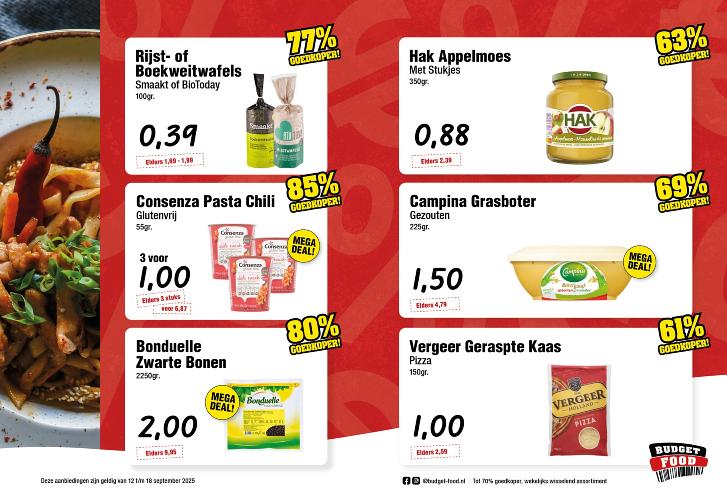
Savvy grocery shopping is the next crucial step. Prioritizing seasonal produce is key, as these items are typically at their freshest, most flavorful, and lowest price point. Buying in bulk for pantry staples like rice, pasta, oats, and dried beans or lentils can offer substantial savings over time. Furthermore, comparing unit prices, exploring store brands, and making use of sales and loyalty programs can significantly reduce the overall grocery bill. It is also beneficial to shop with a full stomach and a definitive list to avoid unnecessary purchases.
ECONOMIC AND NUTRITIONAL CONSIDERATIONS
When it comes to the ingredients themselves, focus on affordable, nutrient-dense options. Legumes, such as beans and lentils, are incredibly versatile, packed with protein and fiber, and remarkably inexpensive. Eggs offer another economical protein source, suitable for breakfast, lunch, or dinner. Ground meats, chicken thighs, and canned fish (like tuna or salmon) are often more budget-friendly alternatives to premium cuts of meat. Frozen fruits and vegetables are excellent choices; they are often picked at their peak ripeness, retaining nutrients, and can be more cost-effective and convenient than fresh options, especially when out of season.


Cooking from scratch is undeniably healthier and more economical than relying on processed foods, ready meals, or takeout. Batch cooking, where larger quantities of a dish (like soup, chili, or a big batch of grains) are prepared to last for several meals, saves time and energy throughout the week. Repurposing leftovers creatively can also prevent food waste and extend the life of ingredients, transforming a Sunday roast into tacos or a stir-fry later in the week.
PUTTING ALL TOGETHER
Beyond the immediate financial savings, a commitment to budget-friendly healthy meals yields a wealth of other benefits. It encourages families to develop essential culinary skills, fosters a greater understanding of nutrition, and can even become a bonding experience as family members share in the cooking process. Ultimately, nourishing a family on a budget is not about sacrifice, but about smart decisions, creativity, and a proactive approach to food shopping and preparation.


