


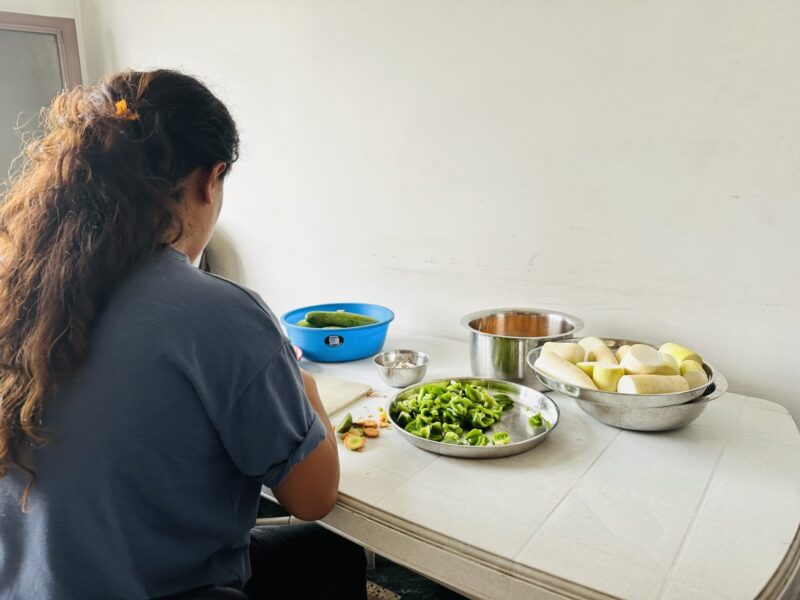
Cooking without a recipe may seem daunting, but the skill is entirely within reach. By mastering a few core principles, you can improvise confidently, adapt dishes to seasonal ingredients, and create meals that reflect your personal taste. Below, we outline a systematic approach that transforms curiosity into culinary competence.
1. Build a Foundation of Basic Techniques
Begin with the fundamentals—sautéing, roasting, braising, steaming, and grilling. Practice each method using simple vegetables or proteins. Observe how heat changes texture, color, and flavor. For example, slice a carrot, drizzle it with oil, and roast it at 200 °C until it caramelizes. Notice the sweetness that develops; this insight will guide you when you handle unfamiliar vegetables later.
2. Understand Flavor Building Blocks
Identify the three pillars of taste: salt, acid, and fat. Salt amplifies flavor, acid brightens dishes, and fat carries aromatic compounds. When you season a sauce, add a pinch of salt, a splash of lemon juice, and a drizzle of olive oil. Tasting at each stage lets you gauge balance and adjust on the fly. Over time, you will instinctively know when a dish needs a touch more brightness or richness.
3. Familiarize Yourself with Common Ingredient Pairings
Certain foods naturally complement each other. Classic pairings—tomato and basil, pork and apple, lamb and rosemary—provide a reliable shortcut when you lack a recipe. Keep a handwritten or digital list of your favorite combos. When you encounter a new ingredient, scan the list for a partner that shares a similar flavor profile.
4. Master the “Rule of 3” for Seasoning
Apply three seasoning elements to each component: herb, spice, and seasoning. For a chicken breast, you might choose thyme (herb), smoked paprika (spice), and kosher salt (seasoning). This rule ensures depth without overwhelming the palate and simplifies decision-making when you improvise.
5. Practice Portion-Based Ratios
Instead of counting teaspoons, think in ratios. A classic vinaigrette uses a 3:1 oil-to-vinegar ratio. A stew thickens when you add a slurry of 1 tablespoon flour per cup of liquid. By internalizing these relationships, you can scale dishes up or down without consulting a recipe card.
6. Taste, Adjust, Repeat
The most powerful tool in a kitchen without recipes is your palate. After each addition—salt, spice, liquid—taste the dish. If the flavor feels flat, add a pinch of salt. If it feels heavy, brighten it with a squeeze of citrus. This iterative process trains your senses and gradually reduces reliance on written instructions.
7. Keep a Simple Cooking Journal
Document experiments in a concise journal. Record the main ingredient, cooking method, seasoning ratios, and the final taste verdict. Over weeks, the journal becomes a personalized reference that mirrors a cookbook, but it reflects your unique preferences and successes.
8. Embrace Learning Resources
While you aim to cook without recipes, you can still draw knowledge from culinary books, video tutorials, and workshops. Focus on resources that explain why a technique works rather than simply listing steps. Understanding the science behind caramelization, emulsification, or Maillard reaction equips you to troubleshoot spontaneously.
9. Start with Familiar Dishes and Gradually Expand
Apply these principles first to dishes you know well—spaghetti aglio-olio, grilled salmon, or roasted vegetables. Once you feel comfortable improvising within that comfort zone, experiment with new cuisines and unfamiliar ingredients. Each success builds confidence and broadens your culinary repertoire.
By committing to these practices, you will transition from recipe dependence to intuitive cooking. The journey demands curiosity, patience, and consistent tasting, but the reward—a kitchen where creativity reigns—makes the effort worthwhile. Begin today, and watch your meals evolve from scripted instructions to spontaneous works of art.


