


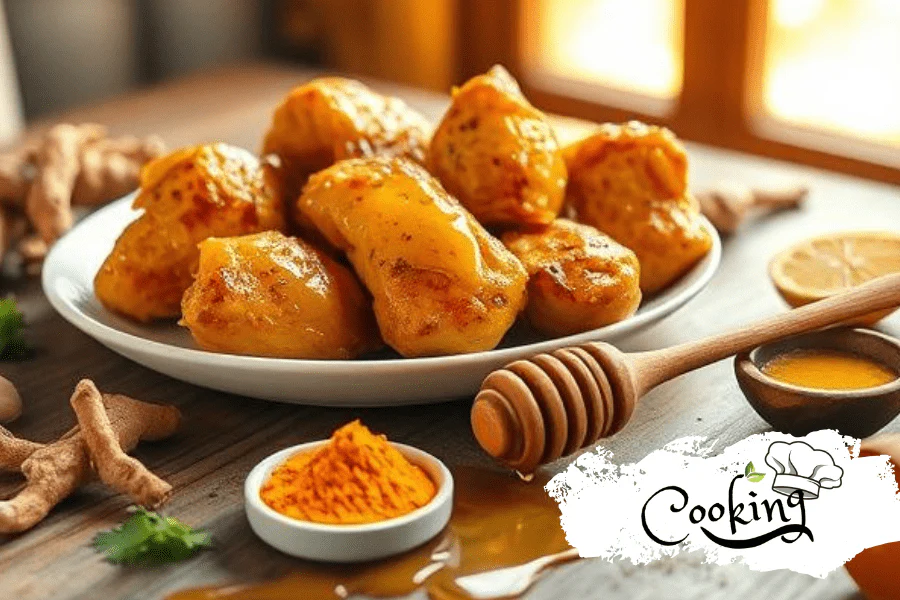
Turmeric, the vibrant golden spice derived from the Curcuma longa root, has garnered significant attention for its potential health benefits, primarily attributed to its active compound, curcumin. However, simply sprinkling turmeric on food is an inefficient method for your body to access these benefits. Curcumin is notoriously poorly absorbed by the human digestive system. The most effective strategy for consuming this food involves deliberately enhancing its bioavailability through specific nutritional pairings and preparation methods. This guide outlines the optimal, evidence-based practices for incorporating it into your diet.
Keeping to the standard methods
The fundamental principle is to combine turmeric with two key components: piperine (from black pepper) and healthy fats. Piperine inhibits liver enzymes that would otherwise metabolize and expel curcumin before it enters your bloodstream, increasing absorption by up to 2000%. Concurrently, curcumin is fat-soluble, meaning it dissolves and is absorbed more efficiently in the presence of lipids. Neglecting these pairings renders much of your consumption biologically inert.
The Gold Standard: Golden Paste The most reliable and popular method is preparing a “Golden Paste.” This concentrated mixture ensures the critical pairings are present in every serving.
Ingredients: Combine ½ cup of high-quality turmeric powder with 1 cup of water in a saucepan. Simmer until a thick paste forms (approximately 7-10 minutes).
Crucial Additions: Stir in 1-2 teaspoons of freshly ground black pepper and ¼ cup of a healthy oil, such as coconut, olive, or avocado oil. The oil coats the curcumin particles.
Usage & Storage: Stir ½ to 1 teaspoon of the paste into warm (not boiling) milk (dairy or plant-based like almond or coconut), smoothies, soups, or salad dressings. Store the paste in a glass jar in the refrigerator for up to two weeks.
Integrating into Daily Meals
Cooked Dishes: When making curries, stews, or roasted vegetables, sauté turmeric powder with onions, garlic, and a tablespoon of coconut or olive oil at the start of cooking.
The heat and fat facilitate absorption.
Smoothies & Beverages: Blend a teaspoon of its paste or powder into your morning smoothie. Always include a source of fat, such as avocado, full-fat yogurt, or a tablespoon of flaxseed or MCT oil. Adding a pinch of black pepper is non-negotiable.
Soups and Broths: Stir a teaspoon of paste into finished soups or stocks. The liquid medium and inherent fats from ingredients like bone broth or coconut milk provide an ideal vehicle.
Important Considerations for Effective Use
Dosage: Culinary use is generally safe. A common effective daily range is 500–2000 milligrams of curcumin extract, but achieving this from powder alone requires substantial amounts (approximately 1–3 teaspoons of turmeric powder, containing ~200mg curcumin per teaspoon). Start with smaller amounts and consult a healthcare provider regarding therapeutic doses.
**Quality Matters:**opt for organic, high-curcumin turmeric powder from reputable suppliers. Fresh turmeric root, grated, offers potent compounds but still requires the fat and pepper pairing.
Supplementation vs. Food: While supplements often contain enhanced bioavailability blends (like phospholipid complexes), obtaining curcumin from whole food sources with proper pairings is a sustainable, cost-effective primary strategy.
Common Mistakes to Avoid Never consume the powder with water alone, as this provides no fat for absorption. Avoid adding it to boiling liquids, as high heat for prolonged periods may degrade some active compounds. Do not skip the black pepper; it is the single most important co-factor.
Summary
The best way to eat turmeric is as a fat-soluble, piperine-enhanced culinary ingredient. Prepare a Golden Paste or consistently pair the spice with healthy oils and freshly ground black pepper in cooked or blended dishes. This method transforms it from a colorful seasoning into a bioavailable nutritional asset, allowing your body to harness its full potential. For specific health concerns, discuss supplementation with a qualified professional.


