


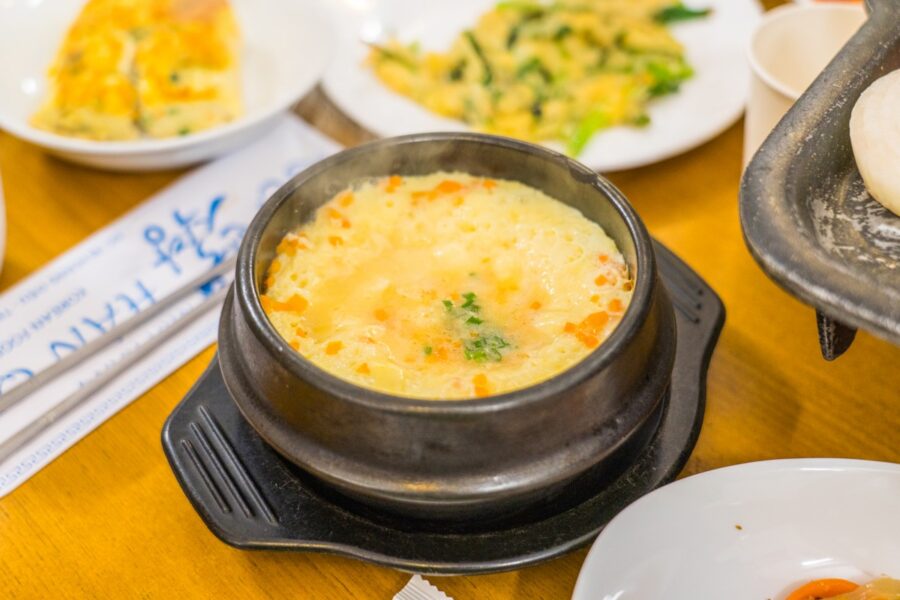
Chinese steamed egg serves as a cornerstone of home-style Cantonese cuisine. This deceptively simple dish transforms basic pantry staples—eggs and water or broth—into a luxurious, custard-like delicacy. But is Chinese steamed egg actually good? For those who appreciate the intersection of refined texture and subtle, umami-rich flavors, the answer is a resounding yes.
What Defines the Perfect Steamed Egg?
The appeal of Chinese steamed egg lies primarily in its texture. A well-executed custard possesses a silky, mirror-like surface and a consistency that melts instantly on the palate. Unlike scrambled or fried eggs, the steaming process preserves the delicate proteins, resulting in a clean, elegant mouthfeel that pairs perfectly with steamed rice or light vegetable sides.
From a nutritional perspective, this dish offers a powerhouse of high-quality protein and essential amino acids. Because it relies on gentle steam rather than high-heat frying, it requires little to no added fat, making it a heart-healthy choice for individuals seeking light yet satisfying nourishment.
The Science of Silken Perfection
While the recipe seems minimalist, Chinese steamed egg requires precision. The magic happens through the ratio of liquid to egg and the regulation of heat.
- The Ratio: Culinary experts generally recommend a ratio of 1.5 to 2 parts liquid to 1 part egg. This creates the signature “wobbly” structure that distinguishes it from a firm flan or a loose omelet.
- The Filtration: Sieving the egg mixture before steaming removes air bubbles and chalazae, ensuring the final product remains smooth and uniform.
- Temperature Control: Low, steady heat prevents the eggs from overcooking. Rapid boiling causes the proteins to tighten and create unsightly holes, often referred to as “honeycombing.”
Enhancing Flavor Profiles
The neutral base of the steamed egg acts as a canvas for various flavor enhancers. Chefs often elevate the dish by incorporating:
- Savory Broths: Substituting plain water with chicken or dashi stock infuses the eggs with deep savory notes.
- Aromatic Toppings: A drizzle of high-quality soy sauce, toasted sesame oil, and a sprinkle of finely chopped scallions adds a sophisticated contrast to the mild custard.
- Protein Additions: Minced pork, shiitake mushrooms, or tiny dried shrimp offer textural dimension and bursts of saltiness
Why You Should Try It
If you prioritize comfort food that delivers both health benefits and culinary sophistication, Chinese steamed egg belongs in your repertoire. It serves as an excellent entry point for home cooks interested in traditional Asian techniques. Whether you enjoy it as a light breakfast, a soothing late-night snack, or a refined side dish at a multi-course dinner, its versatility remains unmatched.
In summary
Chinese steamed egg is not merely “good”—it is a masterclass in culinary balance. By mastering the fundamental techniques of temperature and ratio, you can create a restaurant-quality custard that delights the senses and comforts the soul.
done


