


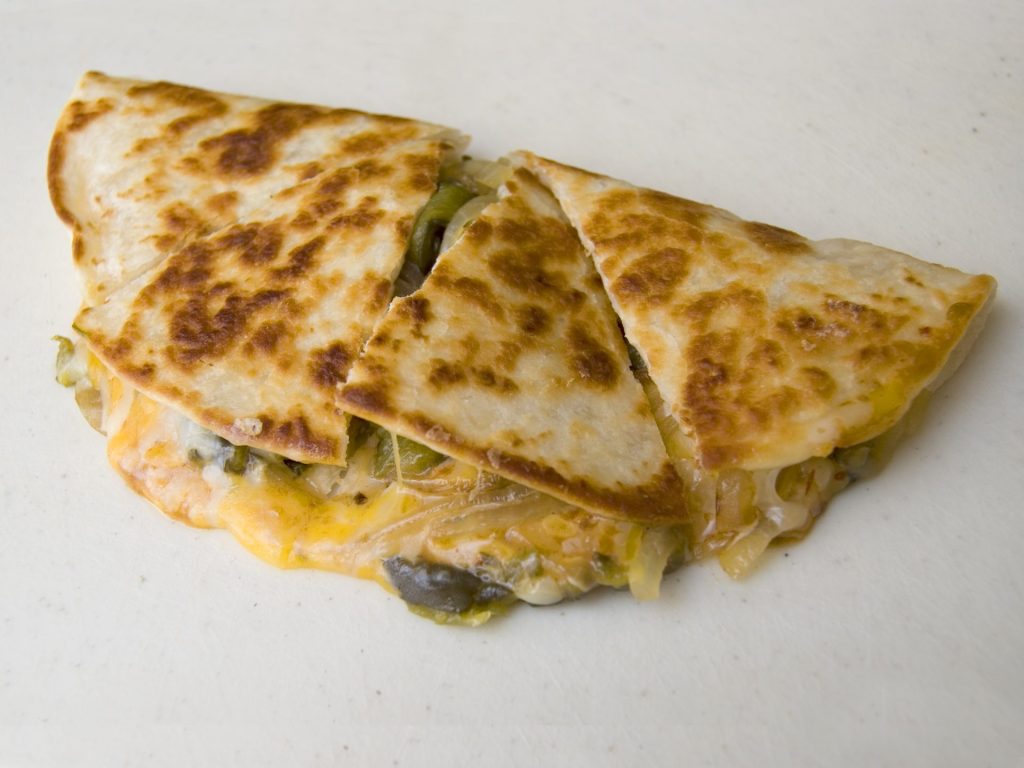
The sandwich stands as a cornerstone of global culinary tradition. While often perceived as a simple meal, the architecture of a sandwich reveals a fascinating technical variety. Whether you seek a quick lunch or a sophisticated culinary experience, understanding the fundamental categories of sandwiches enhances your appreciation for this versatile staple.
Culinary experts generally classify sandwiches into five distinct types based on their preparation, structure, and temperature. By mastering these categories, you can better navigate menus and improve your own kitchen craft.
1. The Cold Sandwich
The cold sandwich serves as the most ubiquitous form of the meal. These sandwiches typically feature fresh, crisp ingredients such as deli meats, cheeses, fresh vegetables, and spreads, served on room-temperature or toasted bread. Because they do not require heat during the assembly process, they provide a reliable, refreshing option for cafes and packed lunches alike. Classic examples include the deli turkey club, the BLT, or a simple vegetable and hummus wrap.
2. The Hot Sandwich
Unlike its cold counterpart, the hot sandwich relies on heat to meld flavors and soften ingredients. Chefs prepare these by grilling, toasting, or searing the assembled sandwich to create a harmonious texture. Common favorites include the Reuben, the Philly cheesesteak, or the French dip. The heat transforms simple components into a cohesive, savory experience, often resulting in a satisfying contrast between crispy bread and melting fillings.
3. The Grilled (Pressed) Sandwich
The grilled sandwich represents a specific sub-category of hot sandwiches that utilizes direct heat and pressure. Using a panini press or a heavy skillet, the chef compresses the sandwich as it cooks. This technique creates a distinctively crispy exterior and a compact, flavorful interior. The Italian panino is perhaps the most iconic representative of this style, prized for its ability to toast the bread while thoroughly warming the contents.
4. The Open-Faced Sandwich
The open-faced sandwich challenges the traditional “two-slice” convention. It features a decorative, single slice of bread topped with various proteins, sauces, and garnishes. Because it lacks a top layer of bread, the presentation focuses on aesthetics and ingredient quality. Popular in Scandinavian cuisine as smørrebrød or served as a refined brunch item topped with smoked salmon and capers, the open-faced sandwich prioritizes elegance and flavor concentration.
5. The Triple-Decker (Club) Sandwich
The triple-decker sandwich—often referred to as a club—incorporates three slices of bread with two layers of filling. This structure provides structural stability for heavier ingredients and allows for a diverse combination of flavors. The traditional club sandwich, featuring layers of bacon, lettuce, tomato, and chicken or turkey, showcases the utility of this style. It offers a substantial, multi-layered experience that satisfies the heartiest of appetites.
Conclusion
From the crisp, cold deli staple to the decadent, pressed panini, the sandwich remains a testament to culinary ingenuity. By categorizing your preferences into these five types, you can better explore the vast landscape of flavors available in the world of handheld meals. Whether you prefer the elegance of an open-faced creation or the comfort of a grilled classic, there exists a sandwich style for every occasion.


