


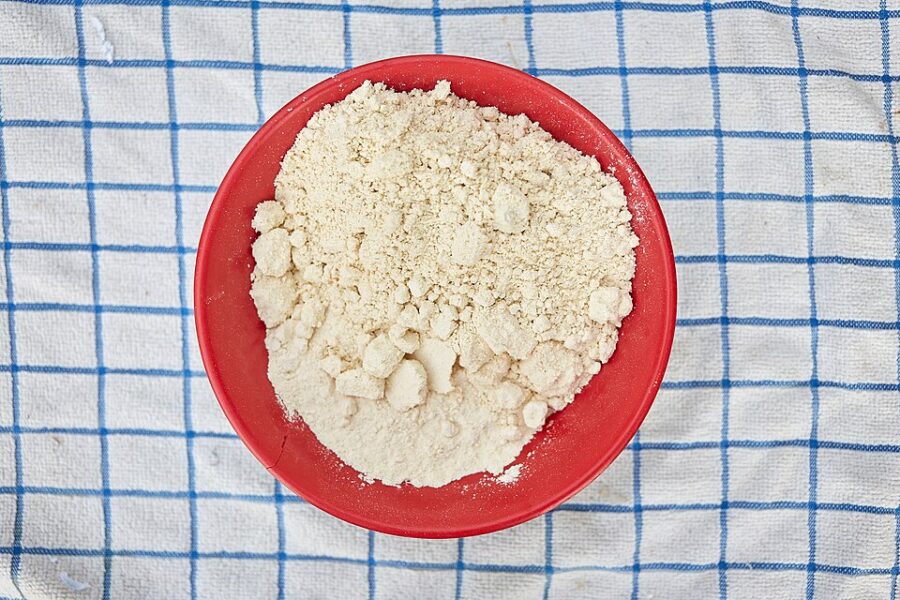
Home cooks frequently mistake cornmeal for semolina due to their similar golden hues and granular textures. However, these two ingredients stem from entirely different botanical families and serve distinct culinary purposes. Understanding their unique properties elevates your cooking and baking precision.
Botanical Origins and Processing
Cornmeal originates from maize (Zea mays), a New World cereal grain, whereas semolina derives from durum wheat (Triticum durum), a hard wheat variety native to the Mediterranean region.
According to the USDA FoodData Central, milling processes further separate the two. Producers grind whole or degermed corn kernels to manufacture cornmeal. Conversely, industrial millers crush the endosperm of durum wheat to produce semolina.
Nutritional Comparison
Dietary profiles differ significantly between the two grains. The Dietary Guidelines for Americans emphasize whole-grain consumption, yet standard commercial options require careful label reading.
| Nutrient (per 100g) | Yellow Cornmeal | Durum Semolina |
|---|---|---|
| Calories | 370 kcal | 360 kcal |
| Total Carbohydrates | 74 g | 73 g |
| Dietary Fiber | 7.3 g | 3.9 g |
| Protein | 8.1 g | 12.7 g |
Data adapted from USDA FoodData Central highlights that semolina contains higher protein concentrations, which contributes to the structural integrity of pasta. Meanwhile, whole-grain cornmeal often delivers higher dietary fiber content. According to Nutrition.gov, selecting enriched versions ensures adequate iron and B-vitamin intake.
Culinary Applications
Culinary professionals rarely interchange these ingredients.
- Cornmeal: Ideal for cornbread, polenta, and dusting pizza peels. Its sweet, earthy flavor profile dominates southern American cuisine.
- Semolina: Essential for authentic Italian pasta, couscous, and artisanal bread dusting. Its high gluten potential provides the necessary elasticity for stretching dough.
In professional kitchens, substituting one for the other alters hydration ratios and final textures dramatically. As noted by the Food Safety and Inspection Service, allergen management also requires strict separation, as semolina contains wheat gluten while cornmeal is naturally gluten-free (barring cross-contamination).
Industry Trends and Market Forecasts
Recent data from the Food and Nutrition Administration indicates a rising consumer demand for heritage grains and gluten-free alternatives. Market researchers forecast that the global cornmeal market will expand at a Compound Annual Growth Rate (CAGR) of 4.5% through 2030, driven by increased preference for plant-based and gluten-free baking staples. Conversely, semolina consumption remains steady, anchored by traditional pasta manufacturing sectors.
Summary Checklist for Cooks
- Grain Source: Corn (maize) vs. Durum Wheat.
- Gluten Status: Cornmeal is naturally gluten-free; semolina contains high levels of gluten.
- Texture: Cornmeal ranges from fine to coarse; semolina features a sharp, sand-like granulation.
- Primary Uses: Polenta and cornbread vs. Pasta and couscous.
For balanced meal planning based on personal dietary needs, consult resources provided by MyPlate.gov and the Center for Nutrition Policy and Promotion. Always review product packaging to ensure compliance with FDA labeling standards regarding allergens and enrichment.


