


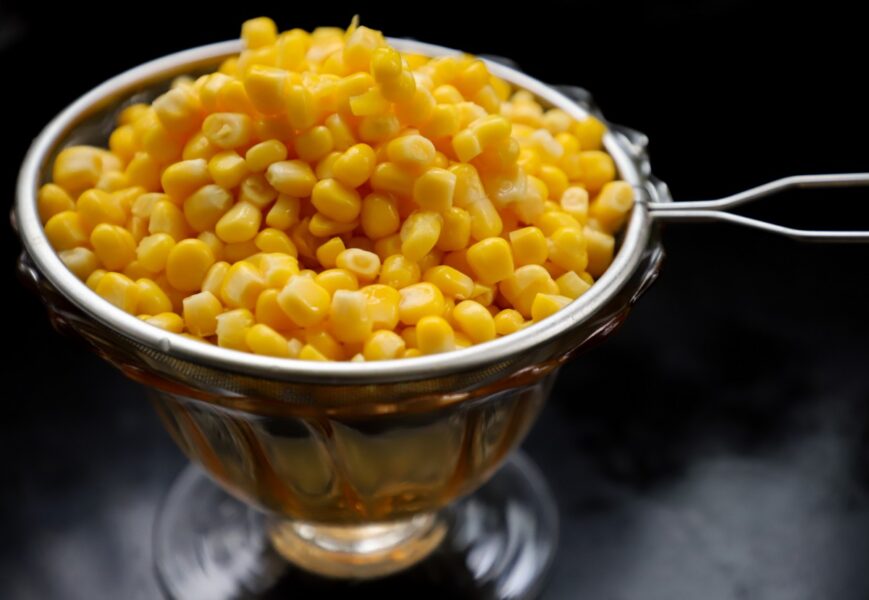
Cornmeal remains a foundational ingredient in global culinary traditions. Produced by grinding dried maize into a coarse, medium, or fine powder, this versatile grain offers a distinct texture and earthy flavor to a wide array of dishes. Whether you seek to master classic comfort food or explore experimental baking, cornmeal provides the structural integrity and nutritional profile necessary for culinary success.
Culinary Applications: Beyond the Basics
Chefs and home cooks alike utilize cornmeal primarily for its ability to provide texture and structure. Its applications span across several cooking categories:
1. Baking and Pastry
Baking stands as the most common use for cornmeal. Fine-ground meal acts as a delicate base for cornbread, corn muffins, and savory cakes. The grit of the corn contributes a desirable crumb structure that flour alone cannot replicate. Many bakers also incorporate cornmeal into pizza dough or artisan bread recipes; dusting the peel or baking surface with a layer of coarse meal prevents sticking and imparts a signature golden-brown crust.
2. The Art of Frying and Coating
Cornmeal serves as an exceptional breading agent for fried foods. Because it absorbs less oil than standard breadcrumbs, it creates a superior, shatteringly crisp exterior on fried catfish, onion rings, or green tomatoes. It provides a robust, nutty crunch that enhances the palate of various proteins and vegetables.
3. Porridges and Breakfast Staples
From the creamy consistency of Italian polenta to the Southern American tradition of grits, cornmeal forms the backbone of countless breakfast and side dishes. By simmering the meal in water, milk, or stock, you transform the humble grain into a velvety, savory base. Serve these preparations plain with butter, or elevate them with aged cheeses, sautéed mushrooms, or slow-cooked meats.
Nutritional Value and Selection
Choosing the right cornmeal significantly impacts the final quality of your dish. Stone-ground varieties retain the germ and hull, offering a richer, more complex flavor and higher fiber content. Conversely, degerminated cornmeal—often found in shelf-stable, refined forms—provides a longer shelf life and a more uniform texture, making it ideal for lighter batters.
Regardless of the variety, cornmeal offers a gluten-free alternative for many applications (though consumers should always check labels for cross-contamination). It provides essential carbohydrates, B vitamins, and antioxidants, serving as a reliable fuel source for any diet.
Tips for Storage
To maintain freshness, store your cornmeal in an airtight container within a cool, dark environment. Because whole-grain (stone-ground) varieties contain natural oils that can turn rancid over time, storing them in the refrigerator or freezer extends their usable life significantly.
Conclusion
Cornmeal represents far more than a simple kitchen commodity. Its unique ability to balance moisture, provide texture, and offer a distinct, toasted aroma makes it an indispensable tool for every culinary enthusiast. By understanding the nuances of grind levels and preparation methods, you unlock endless possibilities for both traditional home cooking and professional creative endeavors. Incorporate cornmeal into your next recipe to experience the depth and character this remarkable grain brings to your table.
done


