


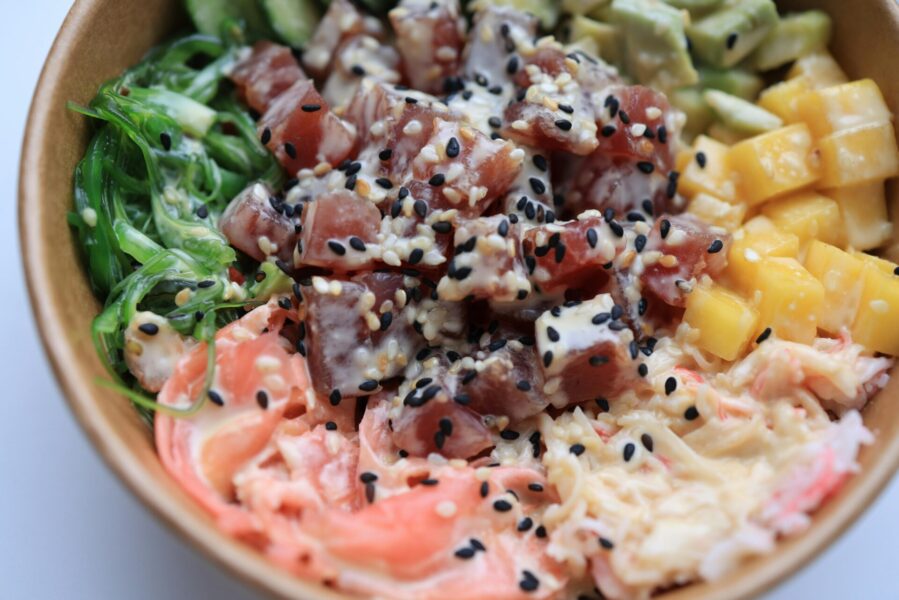
Crafting the Perfect Salmon Bowl: A Guide to Balancing Nutrition and Flavor
The salmon bowl has emerged as a cornerstone of modern, health-conscious dining. By combining the rich, heart-healthy fats of omega-3-packed salmon with fiber-rich grains and vibrant produce, you create a meal that serves both your palate and your physiological needs. Whether you are meal-prepping for the week or assembling a quick dinner, understanding the structural components of an exceptional bowl ensures a consistent, professional-grade result.
1. Select Your Foundation
The base of your bowl dictates the texture and satiety of the dish. For optimal nutrition, prioritize complex carbohydrates.
Brown or Forbidden Rice: These grains offer a nutty flavor profile and high fiber content.
Quinoa: As a complete protein, quinoa provides an excellent foundation for those seeking extra muscle-supporting amino acids.
Cauliflower Rice: For a low-carb alternative, seasoned cauliflower rice offers a light, vegetable-forward base that pairs beautifully with bold sauces.
2. The Protein: Preparing Your Salmon
Salmon acts as the centerpiece of your bowl. To achieve the best texture, use high-quality fillets.
Pan-Seared: A quick sear in a cast-iron skillet creates a crisp exterior while maintaining a succulent, tender interior.
Oven-Roasted: Roasting at a moderate temperature ensures an even cook and allows you to incorporate aromatics like garlic and lemon slices.
Preparation Tip: Marinate your salmon in soy sauce, ginger, and sesame oil for at least thirty minutes prior to cooking to deepen the flavor profile.
3. Incorporate Fresh, Crunchy Vegetables
Vegetables provide the necessary contrast to the richness of the salmon. Focus on a variety of colors to ensure a diverse intake of vitamins and minerals.
- Cucumber and Radish: These ingredients add a refreshing, crisp bite that cuts through the fattiness of the fish.
- Edamame: Add these for an extra boost of plant-based protein and iron.
- Shredded Carrots or Red Cabbage: These vegetables provide essential crunch and introduce a vibrant aesthetic to your presentation.
4. Elevate with Healthy Fats and Garnishes
The final layer of your bowl connects the diverse flavors and improves nutrient absorption.
- Avocado: Slice fresh avocado to add a creamy, buttery mouthfeel.
- Pickled Ginger: This adds a bright acidity that cleanses the palate between bites.
- Toasted Seeds: A sprinkle of sesame seeds or toasted nori strips adds visual appeal and a subtle toasted flavor.
5. Choose the Optimal Sauce
The sauce serves as the unifying element of your bowl. A well-balanced dressing balances acidity, salinity, and sweetness. Consider a light soy-ginger glaze, a spicy sriracha-mayo, or a simple ponzu dressing. Drizzle the sauce sparingly over the finished bowl just before serving to maintain the texture of your fresh ingredients.
Conclusion
Building a salmon bowl requires more than just assembling ingredients; it requires an intentional approach to flavor balance and nutritional density. By selecting high-quality proteins, complex grains, and an array of fresh vegetables, you transform a standard lunch into a sophisticated culinary experience. Use these guidelines to experiment with your own combinations and discover your signature bowl.


