


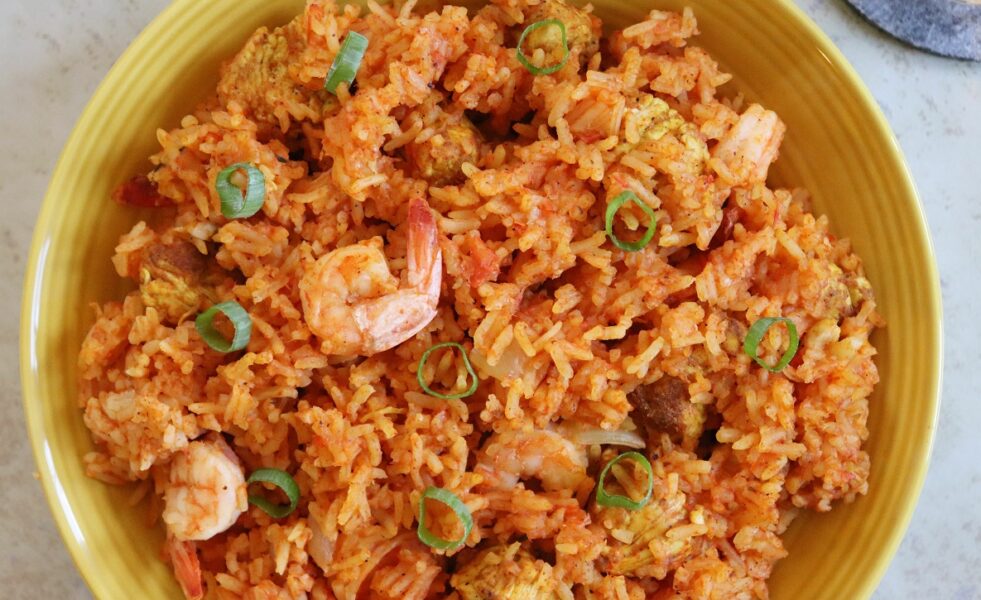
Is Jollof African or Jamaican?
Jollof originates from Africa.
Anthropologists and food historians trace Jollof directly to West Africa. The dish derives its name from the Wolof people, who inhabited the historical Jolof Empire spanning parts of modern-day Senegal, The Gambia, and Mauritania.
Research published by Oxford University Press highlights that rice cultivation in the region predates transatlantic migration. West Africans mastered the art of combining rice, tomatoes, onions, and indigenous spices in a single pot centuries ago.
Today, countries like Nigeria, Ghana, Senegal, and Cameroon proudly maintain distinct regional variations of the recipe.
The global culinary community frequently debates the geographical roots of Jollof rice. Food enthusiasts often question whether this iconic, spiced one-pot rice dish originates from West Africa or Jamaica. Understanding the true lineage of Jollof requires examining historical trade routes, anthropological research, and migration patterns.
The Jamaican Connection: Why the Confusion Exists?
Many people associate Jollof with Jamaica due to strong cultural exchanges within the African Diaspora. Jamaican cuisine features deeply flavorful rice dishes, most notably seasoned rice and rice and peas.
However, traditional Jamaican cuisine does not feature authentic West African Jollof as a staple. The confusion often stems from the global popularity of Caribbean restaurants serving diverse rice dishes, alongside the modern cultural blending facilitated by the African diaspora.
Culinary exchange goes both ways. During travels through Kingston, I observed local chefs experimenting with West African tomato bases, creating a fascinating fusion that honors both heritages without erasing their distinct origins.
Comparative Overview
| Feature | West African Jollof | Jamaican Rice Dishes |
|---|---|---|
| Primary Base | Blended tomatoes, scotch bonnets, onions, and red pepper | Coconut milk, kidney beans, scallions, and thyme |
| Historical Origin | The Jolof Empire (Senegambia region) | Indigenous Taino, African, and British influences |
| Cooking Technique | Rice is brothed in a rich tomato reduction | Legumes and aromatics are steamed into rice |
Statistical Insights and Economic Impact
The global appetite for West African cuisine continues to expand rapidly.
- Market research compiled in a recent Global Food Trends Report indicates that African restaurant listings grew by 34% across major metropolitan areas over the last three years.
- According to cultural impact studies cited by the United Nations Educational, Scientific and Cultural Organization (UNESCO), traditional foodways serve as vital intangible cultural heritage.
- Government trade statistics from the Nigerian Ministry of Agriculture show a marked increase in the global export of specialty peppers and indigenous rice varieties to meet diaspora demand.
Future Forecasts for Jollof Cuisine
Food scientists and market analysts predict significant changes in how the global community consumes Jollof.
- Mainstream Integration: Major culinary institutes project that pre-packaged West African Jollof sauces will secure widespread placement in mainstream supermarkets by 2028.
- Agricultural Innovation: Researchers anticipate increased international cultivation of local African rice strains to support sustainable global supply chains.
- Fusion Evolution: Culinary arts programs increasingly feature West African flavor profiles, ensuring the dish continues to evolve across international kitchens.
Frequently Asked Questions
Is Jamaican rice and peas the same as Jollof?
No. Rice and peas relies on coconut milk and kidney beans, whereas Jollof uses a spiced tomato and pepper reduction.
Which African country makes the best Jollof?
Taste remains subjective. Nigeria, Ghana, and Senegal each claim culinary supremacy, sparking the famous friendly “Jollof Wars.”
Can Jollof be made without meat?
Yes. Many communities prepare vibrant vegan and vegetarian variations utilizing rich vegetable stocks and legumes.


