


The Cultural and Historical Foundation of Ghanaian Cuisine
Ghanaian cuisine represents centuries of migration, trade, and agricultural adaptation. West African culinary traditions blend indigenous ingredients with flavors introduced through historical global trade routes. Cassava, plantains, maize, and yams form the carbohydrate base of most regional dishes, while complex stews and soups provide deep, savory profiles.
Food holds deep communal significance across all sixteen regions of the country. Ceremonies, festivals, and daily family life center around shared pots. The Ghana Tourism Authority documents how culinary traditions reinforce social bonds, marking milestones from birth to bereavement.
Core Staples of the Ghanaian Diet
- Starchy Roots and Tubers: Cassava, yam, and cocoyam provide essential daily energy.
- Cereals and Grains: Maize, millet, and sorghum dominate northern agricultural practices.
- Legumes and Seeds: Bambara groundnuts, cowpeas, and egusi (melon seeds) supply vital plant proteins.
- Proteins: Fresh and smoked fish, snails, bushmeat, and poultry anchor savory preparations.
Iconic Ghanaian Foods: Flavor Profiles and Preparation
Ghanaian cooking relies on layering flavors. Cooks utilize fermented ingredients, native spices, and aromatic bases consisting of onions, ginger, garlic, and local chili peppers (kpakpo shito).
| Dish Name | Primary Ingredients | Cultural Context |
|---|---|---|
| Jollof Rice | Rice, tomatoes, onions, Scotch bonnet peppers, oil, spices | Celebratory centerpiece across West Africa, sparking friendly regional rivalries. |
| Fufu | Cassava and plantain (or yam) pounded into a smooth, elastic dough | Traditionally eaten with light soup or groundnut soup; a symbol of hospitality. |
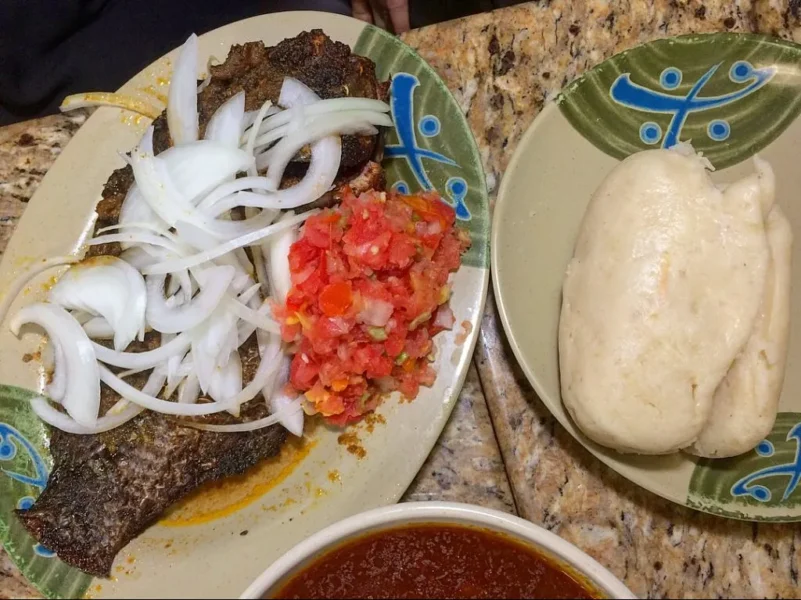
| Banku | Fermented corn dough and cassava dough cooked into a smooth paste | A staple of the coastal Ga and Ewe communities, commonly paired with grilled tilapia and pepper sauce. |
| Waakye | Rice and beans (cowpeas) boiled together with dried millet stalk leaves | A beloved breakfast or lunch dish originating from northern traditions, sold widely by street vendors. |
Researchers at the University of Ghana’s Department of Nutrition and Food Science emphasize that traditional preparation methods—such as fermentation—enhance the bioavailability of micronutrients in staples like maize and cassava.


Nutritional Science and Public Health Perspectives
Scientific journals continually publish research highlighting the health benefits of indigenous West African diets. Traditional Ghanaian meals incorporate high amounts of dietary fiber, antioxidants, and phytochemicals derived from native vegetables and spices.
According to a publication in the Journal of Food Composition and Analysis, traditional leafy greens like ayoyo (Corchorus olitorius) and gboma (Solunum macrocarpon) supply significant quantities of calcium, iron, and vitamins A, C, and E.
“Integrating traditional whole foods into contemporary urban diets offers a sustainable defense against rising non-communicable lifestyle diseases.” — Ghana Academy of Nutrition and Dietetics
Government initiatives led by the Ghana Ministry of Food and Agriculture actively promote the domestic production and consumption of nutrient-dense indigenous crops. These agricultural policies aim to combat micronutrient deficiencies while supporting rural smallholder farmers.
Economic Growth, Industry Forecasts, and Recent News
The Ghanaian food sector is undergoing a rapid digital and commercial transformation. Food processing, packaging, and export industries are expanding to meet both domestic demand and the global appetite for African flavors.
Industry Forecasts (2025–2030)
- Processed Foods Market: Analysts project a compound annual growth rate (CAGR) of 6.5% for packaged traditional convenience foods, driven by urbanization.
- Agri-Tech Integration: Supply chain transparency platforms are reducing post-harvest losses by an estimated 14% across major food distribution hubs.
- Culinary Tourism: International visitor arrivals seeking gastronomic experiences are expected to increase by 22% over the next five years, significantly boosting the hospitality sector.
Recent news from the Association of Ghana Industries highlights a surge in local agro-processing enterprises producing export-ready palm oil, shea butter, and bottled shito (pepper sauce). Standardized production methods, regulated by agencies like the Food and Drugs Authority, ensure that Ghanaian products successfully clear international safety compliance checks. For further insights into traditional preparations, explore Afroculinaria, which analyzes the historical diaspora of these ingredients.
Personal Field Report
- Date: December 18, 2018
- Location: Makola Market, Accra
- Activity: Observing artisanal palm oil extraction and spice blending techniques with local vendors.
Meandering through the maze of alleys of Makola Market reveals the intricate logistics of the Ghanaian food supply chain. Vendors meticulously grade dried smoked herring (amani) alongside fascinating mounds of freshly ground tomato paste, ginger, and fermented locust beans (dawadawa). Engaging directly with local market elders demonstrates that the preservation of ancient culinary techniques remains vital to maintaining authentic flavor profiles in modern Ghanaian households.
Frequently Asked Questions (FAQs)
What distinguishes Ghanaian Jollof from other regional versions?
Ghanaian Jollof distinguishes itself through the utilization of fragrant basmati or aromatic Jasmine rice, combined with robust tomato stew foundations prepared through vegetable oil frying, alongside a carefully calibrated combination of blended onions, ginger, and indigenous spices that produce a profound, caramelized taste characteristic.
Is traditional Ghanaian food excessively spicy?
While chili peppers play a prominent role in flavoring soups, stews, and side sauces (shito or kpakpo shito), many dishes rely on savory aromatics, fermented umami elements, and rich broths rather than pure heat.
What are the health benefits of fermented corn and cassava doughs (Banku and Kenkey)?
Fermentation breaks down complex carbohydrates, reduces anti-nutritional factors, and introduces beneficial probiotics that support gastrointestinal health and enhance mineral absorption.
How do food safety regulations protect consumers in Ghana?
The Food and Drugs Authority (FDA) exercises regulatory oversight of commercial food production, packaging procedures, and street-vending sanitation protocols by implementing mandatory safety certifications and conducting systematic market inspections.
Where can travelers experience authentic traditional dining in Ghana?
Visitors can explore local chop bars, upscale contemporary restaurants in major urban centers, and vibrant street food markets certified by national tourism and hospitality boards.


