


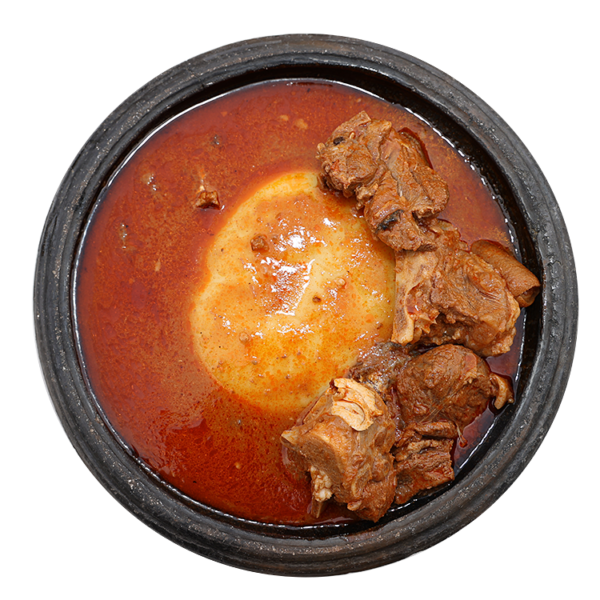
Academics and culinary historians document how regional geography shapes dietary habits across the coastal, forest, and savannah zones. This resource provides an analytical overview of Ghana’s food systems, nutritional science, and economic forecasts for the local gastronomic sector.
The Foundations of Ghanaian Gastronomy
Ghanaian cooking balances complex flavor profiles, typically pairing savory broths with starchy staples. Meals often feature fermented ingredients, smoked proteins, and aromatic vegetable bases composed of onions, tomatoes, and chili peppers.
According to research published in the Journal of Ethnic Foods, traditional preparation methods prioritize maximizing nutrient retention and enhancing natural umami tastes through prolonged simmering and natural fermentation.
Core Staples and Ingredients
Starchy carbohydrates anchor most traditional meals. Cooks transform cassava, plantain, yam, and maize into smooth doughs or consume them boiled and roasted.
- Manioc (Cassava): Processed into gari or pounded into fufu.
- Plantains: Enjoyed ripe and fried (kelewele) or boiled and mashed (etod).
- Yams: Served boiled, fried, or pounded during festive occasions.
- Maize: Utilized in porridges (koko) and savory dishes like kenkey.
Protein sources reflect the country’s aquatic and terrestrial biodiversity. Fresh fish from the Gulf of Guinea and Lake Volta, alongside land snails, bushmeat, and poultry, supply essential dietary lipids and amino acids.
Regulatory bodies such as the Ghana Ministry of Food and Agriculture actively monitor sustainable harvesting practices to protect these vital food supplies.
Iconic Cuisines of Ghana
Specific preparations hold cultural prominence across the sixteen administrative regions. Understanding these dishes illuminates the social structures and heritage of different ethnic groups.
| Dish Name | Primary Ingredients | Cultural Significance |
|---|---|---|
| Jollof Rice | Rice, tomatoes, peppers, spices | Centerpiece of celebrations and regional culinary rivalries |
| Fufu and Light Soup | Cassava/plantain dough, goat/fish broth | Traditional Sunday family meal, symbolizing unity |
| Banku and Tilapia | Fermented corn/cassava dough, grilled fish | Staple of the coastal Ga and Ewe communities |
| Red Red | Black-eyed peas, palm oil, fried plantains | Popular comfort food with historical working-class roots |
The Science of Fermentation
Scientific communities increasingly recognize the health benefits inherent in traditional Ghanaian food processing. Fermentation processes utilized in making banku, kenkey, and dawadawa introduce beneficial probiotics and enhance mineral bioavailability.
A study from the Department of Biochemistry, University of Ghana, highlights that spontaneous fermentation breaks down anti-nutritional factors, thereby improving protein digestibility in maize-based diets.
Economic Outlook and Industry Forecasts
The culinary landscape in West Africa undergoes rapid commercialization and international export growth. Market analysts project significant expansion for the packaged African food sector over the next decade.
“The global market for ethnic and specialty foods demonstrates a compound annual growth rate (CAGR) exceeding 8.5%, driven by diaspora communities and mainstream consumer interest in authentic global flavors.” — Global Food Trends Report, 2025
Recent industry news highlights a surge in agro-processing ventures within Accra and Kumasi. Local enterprises now export shelf-stable versions of traditional pastes, spices, and snacks to international markets.
Institutions like the Ghana Free Zones Authority facilitate this trade expansion by supporting food manufacturing hubs designed for international export standards.
Nutritional Science and Public Health
Dietary patterns in West Africa draw regular attention from nutritional scientists. Traditional diets naturally incorporate high amounts of fiber, antioxidants, and micronutrients derived from indigenous leafy greens such as cocoyam leaves (kontomire) and gboma.
However, public health organizations note a nutritional transition toward processed foods in urban centers. Experts from the Ghana Academy of Nutrition and Dietetics advocate for preserving traditional whole-food diets to combat non-communicable lifestyle diseases.


Field Observation Note
- Date: June 23, 2021
- Location: Malata Market , Accra
- Activity: Observing traditional palm oil extraction techniques and interviewing local spice merchants regarding regional distribution supply chains.
Conversations with market vendors reveal that consumer demand for organic, locally sourced ingredients continues to rise. This shift supports smallholder farmers and preserves culinary heritage against standardized global food models.
Frequently Asked Questions
What defines the flavor profile of Ghanaian cuisine?
The cuisine emphasizes savory, spicy, and umami-rich profiles. Chefs frequently utilize fermented fish, palm oil, tomatoes, ginger, and Scotch bonnet peppers to build deep, complex bases for stews and soups.
Is Ghanaian food typically spicy?
While chili peppers feature prominently in many recipes, spice levels vary. Cooks often prepare dishes with adjustable heat, and many traditional stews focus more on aromatic depth than pure heat.
What is the national dish of Ghana?
Jollof rice and fufu both hold prominent status as national favorites. Jollof rice is widely celebrated across West Africa, while fufu paired with light soup remains deeply embedded in domestic culinary traditions.
How has international trade influenced local recipes?
Historical trade routes introduced ingredients such as tomatoes, chili peppers, and maize from the Americas, which eventually became foundational elements of modern West African dishes.
Where can travelers experience authentic local meals?
Visitors can sample traditional dishes at local chop bars, upscale hotel restaurants, and street food vendors throughout urban and rural districts. Food tourism platforms such as Trip Advisor provide curated reviews of top-rated culinary establishments in major cities.


