


In the culinary world, precision is key. Whether you’re a seasoned chef or a home cook, having the right tools can make a significant difference in your cooking and baking outcomes. One indispensable tool that should be in every kitchen is a kitchen scale. This article delves into the importance of kitchen scales, their types, and how they can elevate your today recipes today cooking experience.
Why Use a Kitchen Scale?
Many home cooks rely on volume measurements, using cups and spoons to estimate ingredient quantities. While this method works for some recipes, it can lead to inconsistencies, especially in baking. Here are a few reasons why you should consider using a kitchen scale:
- Accuracy: A kitchen scale provides precise measurements, ensuring that your ingredients are perfectly balanced. This is particularly crucial in baking, where the wrong ratio of flour to liquid can ruin your dish.
- Consistency: Using weight measurements allows you to replicate your favorite recipes with the same results every time. This consistency is vital for professional chefs who aim to deliver the same quality across multiple dishes.
- Versatility: Scales can be used for a variety of ingredients, including solids, liquids, and even irregularly shaped items. Many modern scales come with a tare function, allowing you to measure multiple ingredients in one bowl without the need for multiple dishes.
- Healthy Cooking: For those looking to monitor their portion sizes or adhere to specific dietary guidelines, kitchen scales make it easy to measure out ingredients accurately.
Types of Kitchen Scales
When choosing a kitchen scale, it’s essential to understand the different types available:
- Digital Scales: These are the most common types found in kitchens today. They provide quick readings, often with easy-to-read displays and various measurement units (grams, ounces, pounds). Many digital scales also feature a tare function for added convenience.
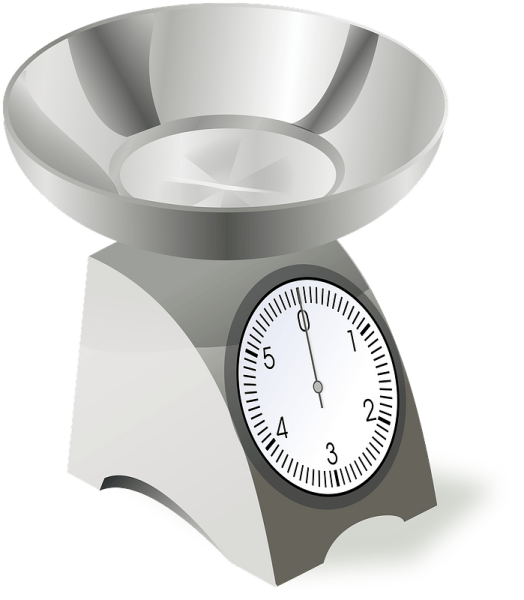
- Mechanical Scales: While less common in modern kitchens, mechanical scales offer a nostalgic touch. They can be quite durable but may not provide the precision that digital scales offer.
- Smart Scales: For the tech-savvy cook, smart scales connect to your smartphone or tablet via Bluetooth. They can track nutritional information, suggest recipes based on the today recipes today ingredients you have, and help with meal planning.
How to Use a Kitchen Scale
Using a kitchen scale is straightforward.
- Place the Scale: Set your scale on a flat, stable surface to ensure accurate measurements.
- Tare the Scale: Before measuring your ingredients, place your bowl or container on the scale and press the tare button. This will reset the scale to zero, allowing you to measure only the ingredient’s weight.
- Add Ingredients: Slowly introduce the ingredient until the desired weight is attained.
- Adjust as Needed: If you go over the target weight, simply remove some of the ingredient until you reach the desired amount.
Kitchen scales are an invaluable asset for anyone who enjoys cooking or baking. With their ability to provide accurate and consistent measurements, they can help you create delicious dishes while ensuring you stay on track with your dietary goals. Investing in a good quality kitchen scale can enhance your today recipes today culinary experience and unlock a new level of precision in your cooking. Whether you choose a digital, mechanical, or smart scale, the benefits of using one are clear: it’s a small tool that can make a big difference in your kitchen.


