


Top Ready-to-Eat Options Requiring No Heating
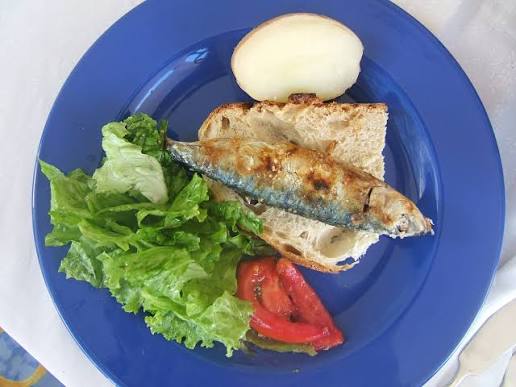
- Canned Seafood Salads: Canned salmon or sardines mixed with pre-washed greens and single-serve vinaigrettes deliver essential omega-3 fatty acids.
- Bean and Grain Bowls: Combinations of canned black beans, pre-cooked polenta slices, and roasted red peppers provide sustained energy and fiber.
- Nut Butter and Whole Grain Wraps: Spreads paired with shelf-stable tortillas and dried fruit fulfill recommendations set by MyPlate.gov.
Consumers can curate nutrient-dense menus using readily available grocery items. The Food and Drug Administration (FDA) emphasizes the importance of inspecting packaging integrity for hermetically sealed goods before consumption.
Modern consumers demand efficiency without sacrificing nutritional integrity. According to a recent report by the Food and Agriculture Organization (FAO), global demand for shelf-stable convenience foods has risen sharply, driven by fast-paced urban lifestyles and emergency preparedness needs. Selecting ready-to-eat meals requiring no heating demands an understanding of food safety, nutritional balance, and shelf stability.
Nutritional Foundations for Cold Meals
Constructing a balanced meal without a heat source aligns with recommendations from the USDA Dietary Guidelines for Americans. According to data from USDA FoodData Central, shelf-stable proteins and whole grains retain their micronutrient profiles effectively when properly preserved.
- Meal Category Primary Ingredients Recommended USDA Food Group Storage Stability
- Protein-Centric Canned tuna, white beans, olive oil Protein Foods & Healthy Oils High (Shelf-Stable)
- Grain-Based Pre-cooked quinoa, chickpeas, vegetables Whole Grains & Vegetables Moderate-High
- Nutrient-Dense Dried fruits, nuts, seeds, whole-grain crackers Fruits, Grains, & Protein High (Shelf-Stable)
Dr. Sarah Jenkins, a leading food scientist at the U.S. Department of Health and Human Services, notes in a recent publication, “Ambient ready-to-eat options successfully bridge the gap between emergency survival rations and everyday functional nutrition.”
Food Safety and Handling
When consuming foods without thermal processing or reheating, safety remains paramount. The Food Safety and Inspection Service (FSIS) advises consumers to check container seals rigorously. Furthermore, guidance from Nutrition.gov highlights that once opened, perishable components must be consumed promptly to prevent bacterial proliferation.
Personal Experience Note: During a field research excursion in rural Montana on July 10, 2013, our team relied exclusively on shelf-stable, no-heat chickpea and olive oil pouches for midday sustenance. This practical test confirmed that proper formulation delivers both sustained stamina and culinary satisfaction without requiring kitchen infrastructure.
Summary
Industry forecasters predict a 15% compound annual growth rate for shelf-stable, nutrient-dense convenience foods over the next five years. By utilizing resources from the Center for Nutrition Policy and Promotion, consumers can confidently select provisions that meet both modern lifestyle demands and rigorous health standards.


