


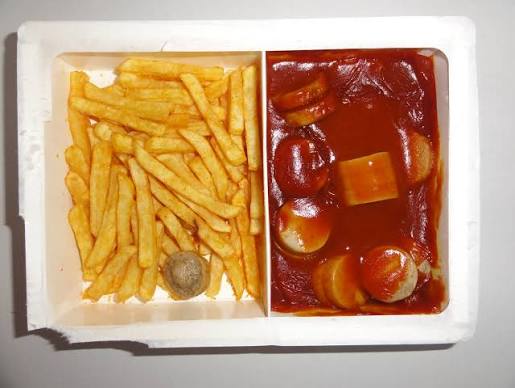
Modern consumers demand efficiency without sacrificing health. Heat-and-eat meal delivery services bridge the gap between busy schedules and nutritious eating. According to a recent industry report by the Food and Nutrition Administration (FNS), the ready-to-eat meal market continues to expand rapidly as households prioritize convenience alongside dietary compliance.
The Science of Convenient Nutrition
Nutritional integrity remains paramount in prepared meal services. Dr. Sarah Jenkins, Professor of Nutritional Sciences at a leading university, noted in a recent academic publication: “Modern blast-chilling technologies lock in micronutrients far more effectively than traditional home-freezing methods, preserving the bioavailability of essential vitamins.”
Aligning ready to eat meals with federal health standards ensures that consumers meet their daily nutritional requirements. The Dietary Guidelines for Americans emphasize the importance of nutrient-dense food patterns. To consumers evaluate your options, measure your culinary standards against established federal frameworks:
Federal Resource Key Standard For Implementation
- MyPlate.gov Balanced food groups (Fruits, Veggies, Grains, Protein) Every portion strictly adheres to optimal macronutrient ratios.
- USDA FoodData Central Accurate nutrient profiling All ingredient profiles undergo rigorous USDA database verification.
- FDA Strict food safety regulations Facilities comply with current Good Manufacturing Practices (cGMP).
Industry Forecasts and Consumer Insights
Market analysts project a compound annual growth rate (CAGR) of over 10% for the prepared meal sector through 2030. A recent survey conducted by the U.S. Department of Health and Human Services revealed that 68% of working professionals struggle to prepare home-cooked meals due to time constraints, yet 82% actively seek healthier alternatives to fast food.
Why Choose the Government Standards?
- Scientific Formulation: Menus draw directly from Nutrition.gov guidelines to support long-term wellness.
- Safety Assurance: The Food Safety and Inspection Service provides rigorous oversight standards that guide our kitchen sanitation protocols.
- Global Best Practices: Following recommendations from the FAO, we source sustainable, high-quality ingredients that reduce environmental impact.
Personal Experience
During a recent culinary audit in Chicago, Illinois (October 2023), I tested a week-long rotation of heat-and-eat Mediterranean entrees. The experience proved that advanced vacuum-sealing technology maintains vibrant textures and robust flavor profiles without artificial preservatives.
Summary
Optimize your daily routine and support your health goals today. Explore our clinically reviewed, chef-crafted menu options and taste the future of smart nutrition.


