


Culinary excellence hinges on a profound understanding and skillful application of fundamental methods. Among these, dry cooking techniques, which utilize direct heat or hot air without the presence of liquids, are indispensable. These methods allow chefs to develop distinct food textures. They also intensify flavors of recipes, and achieve precise levels of doneness, critically impacting the final dish. For professionals aiming to elevate their craft, mastering these techniques is not merely advantageous; it is imperative.
The 10 core dry techniques are:
1. Roasting
Roasting primarily uses hot, dry in an oven, typically for larger cuts of meat, poultry, or dense vegetables. This method promotes eveness, develops a rich, caramelized exterior, and retains moisture, yielding a tender interior. Professionals employ roasting for substantial protein preparations and hearty side dishes.
2. Baking
Similar to roasting, baking relies on hot, dry air within an oven, but typically at lower temperatures and often for longer durations. This technique focuses on meals through and through, creating structure and uniform texture. Bakers apply this method extensively for bread, pastries, cakes, and casseroles, transforming raw ingredients into finished, structured products.
3. Grilling
Grilling makes the meal directly over a radiant source, often utilizing grates. This method imparts characteristic grill marks, a smoky flavor, and a pleasant exterior char. Chefs select grilling for meats, and vegetables, valuing its ability to cook quickly while adding complex flavor notes.
Below is a video explaining the dry method:
4. Broiling
Broiling employs intense, direct radiant from above, typically in an oven broiler. This procedure rapidly browns and crisps the surface, making it ideal for thin cuts of meat, fish fillets, or finishing dishes with a caramelized crust. Professionals carefully monitor broiling due to its speed and intensity.
5. Sautéing
Sautéing involves quickly making small pieces in a minimal amount of hot fat in a shallow pan. The high temperature rapidly browns the food’s exterior while keeping the interior tender. Chefs frequently use sautéing for tender vegetables, delicate and thin meat cuts, achieving quick, flavorful results.
6. Pan-Frying
Pan-frying cooks it in a moderate amount of fat over medium temp in a pan. This technique creates a crisp, golden-brown crust while ensuring thorough and more substantial items than those typically sautéed. Culinary experts apply pan-frying to items like cutlets, larger fish fillets, and certain vegetable preparations.
7. Deep-Frying
Deep-frying immerses does the recipes completely in hot fat or oil. This method rapidly cooks food, creating a crisp, golden exterior and a moist, tender interior. Professionals manage deep-frying with precision, controlling oil temperature and product freshness to achieve optimal texture and flavor in items like tempura, fried chicken, or various fritters.
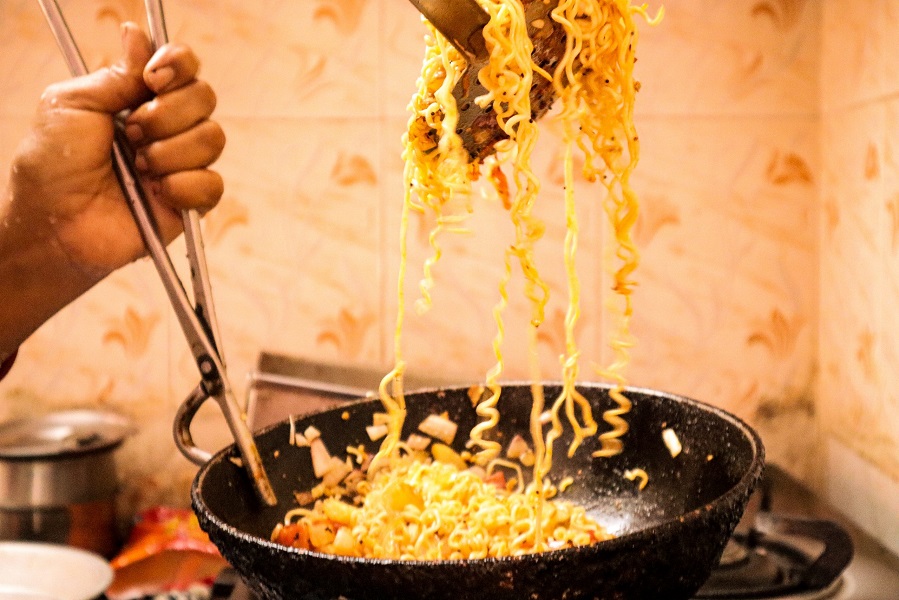
8. Stir-Frying
Stir-frying rapidly cooks small, uniform pieces in a small amount of hot oil in a wok or large pan, maintaining constant movement. This method preserves the texture and vibrant color of ingredients, particularly vegetables, while infusing them with intense flavors. Chefs leverage stir-frying for dynamic, fresh Asian-inspired dishes.
9. Searing
Searing involves cooking the surface at very high temperatures, often with minimal fat, to create a deeply caramelized crust. Professionals typically sear meats and fish to lock in juices and develop intense flavor, subsequently finishing the process through other methods like roasting or baking.
10. Smoking
Smoking utilizes indirect, low temperatures, and wood smoke to cook and flavor over an extended period. This technique imparts a distinct smoky essence and tenderizes tougher cuts of meat. While often a slow process, smoking serves as a critical dry method for infusing complex flavors and achieving specific textures in barbecue and cured items.
Conclusion
Mastering these ten dry cooking techniques today empowers culinary professionals with the versatility and precision necessary to execute diverse food varieties. Each method offers unique advantages, contributing distinct textures and flavors that define a recipe’s character. Continual practice and a deep understanding of heat transfer principles enable chefs to consistently deliver exceptional culinary experiences, cementing their foundational skill set in the professional kitchen.


