


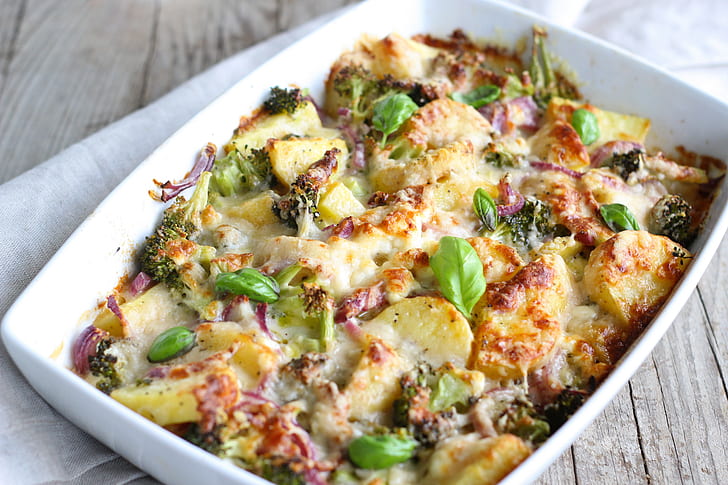
A casserole blends distinct ingredients into a single, oven‑finished dish. Mastering the five essential components lets home cooks create recipes that please any palate. Below, we break down each of the 5 elements of a casserole, explain its purpose, and offer practical suggestions for cooking.
1. Protein – The Anchor of Flavor and Satiety
Protein supplies the heart of the casserole. It delivers texture, richness, and the nutritional bulk that turns a side dish into a complete entrée.
Typical choices
Meat: chicken breasts, ground beef, pork shoulder, turkey, or canned tuna.
Plant‑based: lentils, chickpeas, tofu, tempeh, or soy crumbles.
Brown meat before mixing; browning creates caramelized notes that deepen the overall flavor.
If you use a canned protein, drain and rinse it to avoid excess sodium.
Cut larger pieces into bite‑size cubes so the casserole cooks evenly.
2. Starch or Carbohydrate – Structure and Comfort
Starches absorb sauce, provide body, and make the dish filling. They also create a cohesive matrix that holds the other components together.
Common options
Pasta shells, elbows, or rotini.
Rice (white, brown, or wild).
Potatoes (diced, sliced, or shredded).
Grains such as quinoa, barley, or couscous.
Pre‑cook pasta or rice to the al‑dente stage; over‑cooking during baking can lead to mush.
Use a 1:1 ratio of cooked starch to sauce; this balance prevents a dry or soupy final product.
3. Vegetables – Color, Nutrition, and Contrast
Vegetables add moisture, bright flavors, and essential vitamins. They also break up the richness of the protein and starch.
Popular selections
Root vegetables: carrots, parsnips, sweet potatoes.
Cruciferous: broccoli, cauliflower, Brussels sprouts.
Alliums and aromatics: onions, garlic, leeks.
Greens: spinach, kale, zucchini.
Roast or sauté vegetables briefly before layering; this step caramelizes sugars and reduces excess water.
Cut vegetables uniformly to ensure even cooking.
Mix raw and pre‑cooked vegetables for texture variety.
4. Sauce or Liquid – The Unifying Agent
The sauce binds the casserole, infuses flavor, and prevents the dish from drying out. It also determines the cuisine’s character—creamy, tangy, or spicy.
Typical bases
Creamy: béchamel, milk‑based sauces, sour cream, or cheese sauces.
Tomato‑based: marinara, crushed tomatoes, salsa.
Broth‑based: chicken, beef, or vegetable stock, sometimes thinned with wine.
Season the sauce before combining; a well‑seasoned liquid eliminates the need for heavy final seasoning.
Maintain a modest thickness; a sauce that runs too thin will be absorbed by the starch, leaving the top dry.
Add herbs, spices, or a splash of citrus at the end of cooking to brighten the finished casserole.
5. Topping – Texture and Visual Appeal
A well‑chosen topping transforms a casserole from everyday to memorable. It adds a contrasting crunch, extra richness, or a golden finish.
Frequent choices
Shredded cheese (cheddar, mozzarella, Gruyère).
Breadcrumbs or crushed crackers mixed with melted butter.
Crumbled bacon, fried onions, or toasted nuts.
Apply the topping during the last 15–20 minutes of baking; this timing ensures browning without burning.
Sprinkle a light drizzle of olive oil or melted butter over breadcrumbs for an even, glossy crust.
Use a combination of cheese and crunchy elements for layered texture.
Putting It All Together
Pre‑prepare each component: brown protein, cook starch, roast vegetables, and whisk sauce.
Layer the ingredients in a greased baking dish, beginning with a thin sauce layer, followed by starch, protein, vegetables, and remaining sauce.
Cover the dish with foil for the first half of baking to trap steam and promote even cooking.
Uncover, scatter the topping, and bake until the casserole bubbles and the topping turns golden.
Rest the dish for 5–10 minutes; this pause allows the sauce to set and makes serving easier.
Summary
By understanding and mastering these five components, you gain full control over texture, flavor, and nutrition in your recipes. Whether you prepare a classic chicken‑and‑rice bake or an inventive quinoa‑vegetable medley, the same principles apply. Use this framework to experiment confidently, and you will consistently deliver casseroles that impress both the eye and the palate.


