


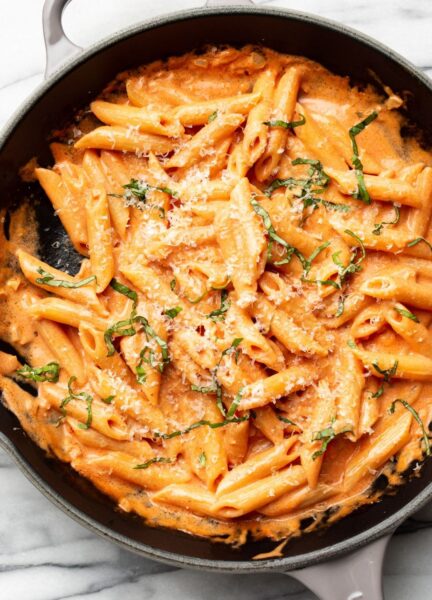
Food serves as a fundamental cornerstone of human existence, transcending cultural boundaries and bringing people together. From the most rudimentary sustenance today to elaborate gourmet creations, the act of cooking and sharing meals is a deeply ingrained aspect of human societies. Within this vast culinary landscape, certain recipes emerge as universally recognized, frequently prepared, and deeply cherished across varied demographics and geographies.
The commonality of a recipe can be attributed to several critical factors. Firstly, accessibility of ingredients plays a pivotal role. Recipes requiring readily available, affordable, and non-perishable staples—such as grains, legumes, common vegetables, and basic proteins—are inherently more likely to be widely adopted. Secondly, simplicity of preparation is a significant determinant. Dishes that do not demand highly specialized skills, intricate techniques, or expensive equipment are more approachable for the average home cook.


Core Categories of Common Recipes
While regional culinary traditions are immensely diverse, a broad examination reveals several categories of recipes that frequently appear as global favorites.
1. Staple Grains and Carbohydrate-Based Dishes
Since carbohydrates make up the majority of human diets, foods based on grains, potatoes, and pasta are incredibly common. Their popularity is mostly due to their filling qualities, low cost, and compatibility with nearly any vegetable or protein.
Table 1: Common Carbohydrate-Based Staples
2. Protein-Centric Main Courses
Protein dishes form the backbone of many meals, offering satiety and essential nutrients. Chicken and eggs, due to their affordability, versatility, and broad acceptance across many cultures (compared to specific red meats or pork), consistently feature in common recipes.
3. Soups, Stews, and Comfort Meals
These categories encompass dishes that are often slow-cooked, deeply flavorful, and provide a sense of warmth and nourishment. They exemplify the concept of “comfort food” and are frequently associated with home cooking and family gatherings.
4. Desserts and Baked Goods
Sweet treats hold a special place in global cuisine, often prepared for celebrations or as a simple indulgence. Baked goods, in particular, often rely on basic pantry staples.
Factors Contributing to Enduring Popularity
Beyond the basic characteristics mentioned, the enduring popularity of these recipes can be attributed to several deeper factors. Many common recipes are easy to learn, making them among the first dishes home cooks master. Their cost-effectiveness makes them mainstays in household budgets globally. Their adaptability ensures they remain relevant despite changing tastes or ingredient availability; for example, a basic stir-fry can incorporate almost any vegetable and protein. Moreover, the historical and cultural roots of many common recipes mean they are often passed down through generations, forming an integral part of culinary heritage. In the modern era, media and digital platforms have further amplified the reach of these recipes, with cooking shows, blogs, and social media showcasing variations and simplifying techniques for a wider audience.
Key Takeaways
The most common recipes globally are not merely a collection of dishes; they are a testament to the shared human experience of nourishment, comfort, and cultural exchange. They are characterized by their ingredient accessibility, simplicity of preparation, remarkable versatility, and deep cultural resonance. From the humble rice bowl that feeds billions to the comforting embrace of chicken noodle soup, these recipes form the bedrock of home cooking worldwide.


