


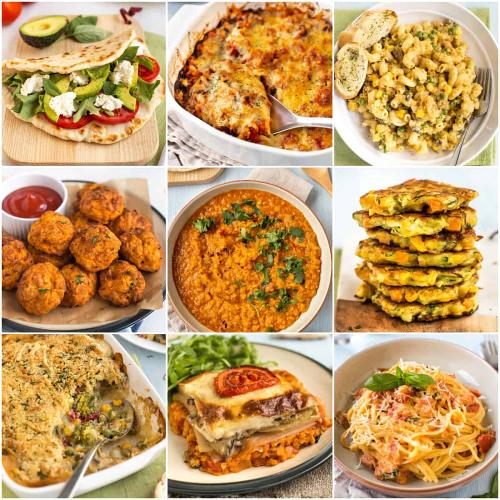
At its core, identifying the absolute cheapest food to make hinges on a nuanced understanding of economics, accessibility, and nutritional value. While simplistic answers might point to items like plain rice or pasta, a more comprehensive analysis reveals that the true champions of cost-effectiveness are staple ingredients that can be transformed into a variety of meals.
Choose ingredients that add bulk and provide nutrition
Chief among these is the humble legume. Dried beans and lentils, in their vast array of forms – black beans, kidney beans, chickpeas, red lentils, split peas – represent an unparalleled source of affordable protein. When purchased in bulk, their per-serving cost is remarkably low. Furthermore, their preparation, while requiring time for soaking and cooking, is straightforward and yields a filling and versatile base. A pot of cooked beans can be the foundation for hearty stews, flavorful chili, simple side dishes, or even mashed into vegetarian burgers. Their nutritional punch, offering significant fiber and essential minerals alongside protein, adds another layer to their cost-effectiveness, contributing to satiety and potentially reducing the need for more expensive food items.
Grains, particularly those that are less processed, also vie for the title of cheapest. Rice, especially long-grain varieties purchased in large sacks, is a global staple for a reason. Its adaptability is legendary, serving as a canvas for countless dishes. Similarly, oats, whether for breakfast porridge or as a binder in savory preparations, offer exceptional value. While refined grains often come with a higher price tag, whole grains like barley or buckwheat, when available, can also be very economical and offer superior nutritional profiles.
Consider ease of preparation
The consideration of “making” food necessitates acknowledging the role of basic seasonings and fats. While these add to the overall cost, their impact per serving is often minimal. Salt, pepper, and dried herbs are inexpensive and dramatically enhance the flavor of otherwise bland staples, making them more palatable and thus more sustainable as dietary cornerstones. Basic cooking oils, used judiciously, also contribute to meal enjoyment without a prohibitive expense.
Inexpensive ingredients may be costy to prepare
However, it is crucial to distinguish between the cheapest ingredient to prepare and the cheapest meal to consume. A single ingredient, like a raw potato, might be inexpensive. But the cost of preparing it, considering energy for cooking and any accompaniments, will increase. Therefore, the most cost-effective foods are those that are inherently inexpensive, nutrient-dense, exceptionally versatile, and require minimal sophisticated preparation or costly additions. In this light, dried legumes and simple, unrefined grains emerge as the front-runners, offering a foundation for affordable and nourishing sustenance for individuals and households worldwide.


