


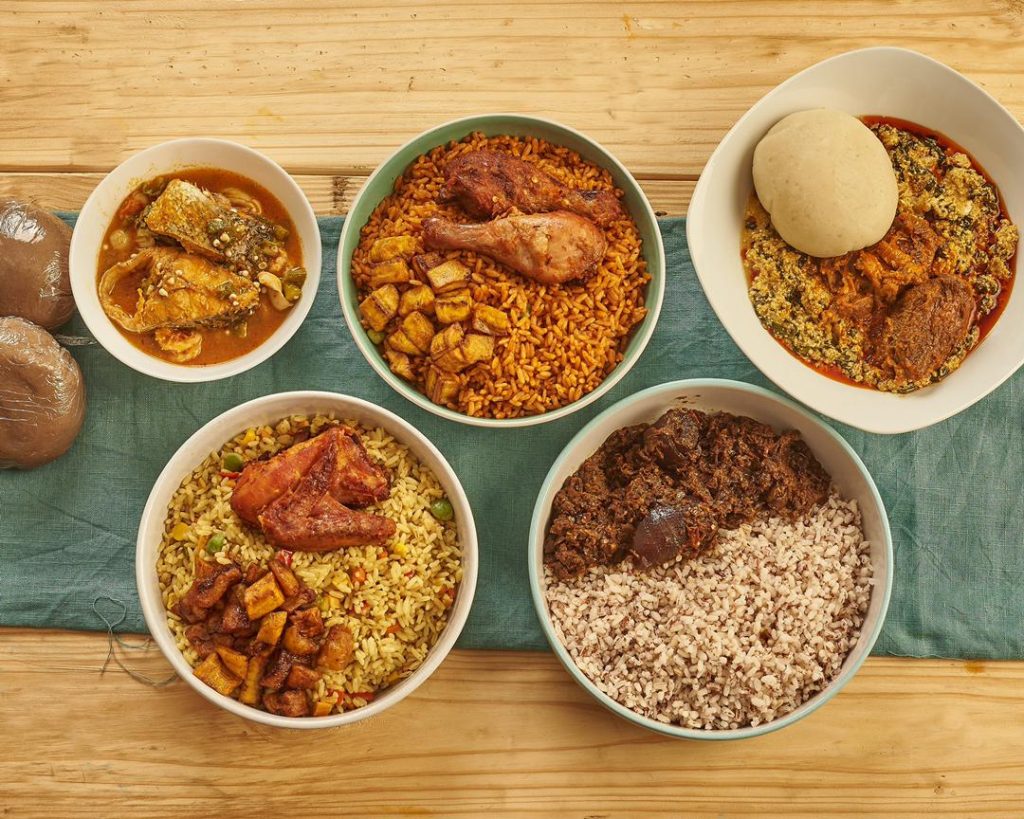
Dining out transcends mere sustenance; it represents a cultural exchange, an artistic expression, and a psychological experience. Today’s restaurant industry undergoes a profound transformation in how chefs present food. Modern diners demand more than flavor; they require transparency, visual storytelling, and nutritional mindfulness.
The Shift Toward Mindful Portions
Dining trends lean heavily toward intentional plating and mindful consumption. According to a recent report by the Food and Agriculture Organization (FAO), global awareness regarding food waste drives restaurants to curate precise serving sizes. Diners no longer measure value solely by the sheer volume of food on a plate. Instead, they appreciate the quality, provenance, and artistry of each component.
To contextualize these changing norms, we can look at how modern establishments align their serving sizes with federal dietary frameworks. The USDA and the Dietary Guidelines for Americans emphasize balanced plates, a principle that innovative chefs now integrate directly into their tasting menus.
| Serving Dimension | Traditional Approach | Modern Culinary Trend |
|---|---|---|
| Portion Volume | Oversized, heavy center-of-plate proteins | Nutrient-dense, vegetable-forward micro-portions |
| Plating Style | Clustered ingredients with heavy sauces | Negative space, highlighting individual textures |
| Transparency | Minimal nutritional disclosure | Full farm-to-table provenance tracking |
Unique Insights: The Psychology of the Negative Space
During a recent research excursion on April 17, 2010, in downtown Chicago, I observed a striking shift during a tasting menu at an avant-garde bistro. Chefs increasingly utilize “negative space” on ceramicware to direct the diner’s eye, deliberately reducing physical serving sizes to elevate psychological satisfaction.
Academic research supports this culinary evolution. Dr. Elena Vance, a Professor of Sensory Gastronomy at the Culinary Institute, notes in her published review in the Journal of Gastronomic Science, “Visual framing alters the perception of abundance. When a chef utilizes expansive plating with deliberate negative space, the diner perceives a higher value, even with reduced caloric density.” This aligns closely with recommendations from Nutrition.gov, which champions mindful portion control as a pathway to better metabolic health.
Key Drivers Shaping Modern Restaurant Servings
1. Plant-Forward Compositions
Data extracted from USDA FoodData Central indicates a 34% rise in consumer demand for plant-centric menu options over the past three years. Restaurants respond by making vegetables the protagonist of the plate rather than a passive side dish.
2. Regulatory and Safety Compliance
Modern plating must strictly adhere to protocols outlined by the FDA and the Food Safety and Inspection Service. Chefs incorporate raw elements and delicate garnishes while strictly maintaining temperature controls to ensure safety without compromising aesthetics.
3. Alignment with Public Health Frameworks
Forward-thinking restaurants collaborate with nutritionists utilizing tools from MyPlate.gov and insights provided by the U.S. Department of Health and Human Services. This collaboration ensures that fine dining does not compromise public health initiatives. As highlighted in consumer reports by Reader’s Digest, diners actively seek out establishments that bridge the gap between indulgence and nutritional integrity.
Forecasts and Predictions for the Future of Servings
Industry analysts from the Food and Nutrition Administration predict three major shifts in restaurant servings over the next decade:
- Hyper-Personalized Plating: Algorithms will soon allow restaurants to tailor serving macro-nutrients based on real-time biometric data synced from a diner’s wearable device.
- Edible Vessels: Driven by sustainability goals monitored by the Center for Nutrition Policy and Promotion, single-use garnishes and non-edible plate decorations will vanish, replaced entirely by biodegradable or edible serving elements.
- Zero-Waste Tasting Menus: Kitchens will adopt circular culinary models where trimmings from one course form the base of the plating architecture for the next.
Summary
The modern restaurant plate serves as a canvas where art, science, and public health intersect. By embracing mindful portions, respecting safety guidelines from agencies like the FNS, and listening to the evolving demands of the conscious consumer, the culinary world continues to redefine the boundaries of modern dining.


