


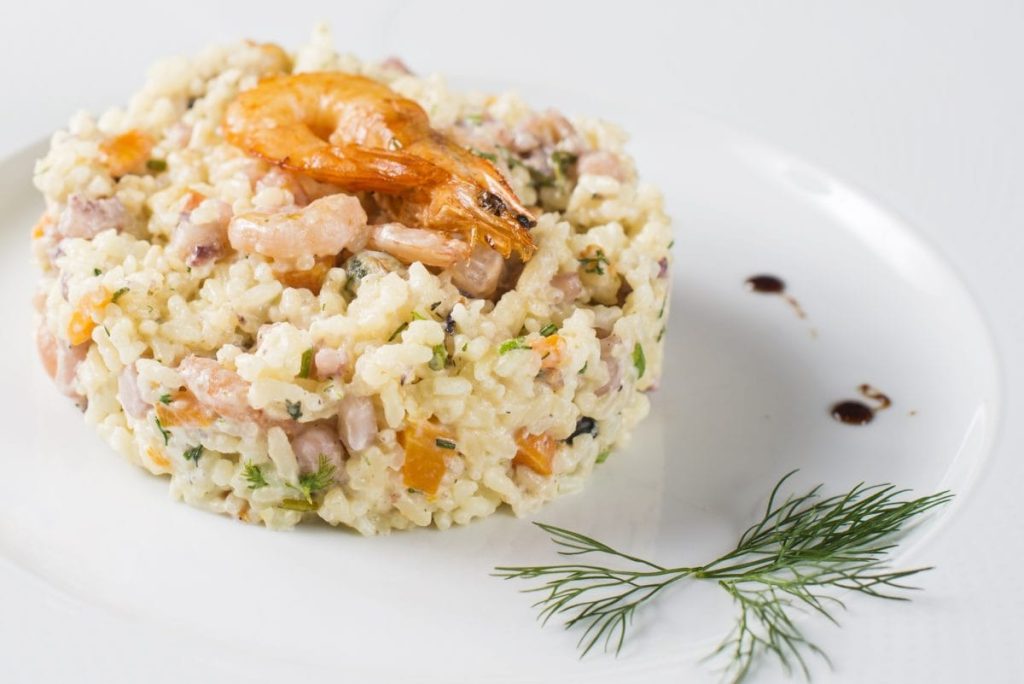
ipe management in today food servings covers a number of topics. These subjects include developing and recording recipes, preserving uniformity among outlets or locations, managing the inventory of ingredients, regulating serving sizes, and guaranteeing precise and effective cooking techniques. Simplifying procedures is a necessary part of effective management. It involves creating precise and comprehensive list all of the ingredients, amounts, cooking methods, and plating guidelines.
Why do we need to manage them today
Several advantages that might have a good effect on several areas of the business are provided by managing gourmet pieces for restaurants.
Preserve quality
Efficient management in meal services today guarantees uniform dish preparation and presentation, upholding the intended quality requirements for each serving. This constancy fosters client loyalty and trust.
Control costs
Recipe management reduces waste and maximizes inventory, which lowers prices by precisely recording ingredient amounts and portion proportions. It makes ordering more accurate possible, cuts down on overstocking, and avoids needless costs.
Standardization
Well-thought out dishes give culinary staff members precise instructions, increasing training effectiveness and lowering mistakes. This culinary feature improves productivity, streamlines processes, and creates a cohesive team atmosphere.

Experimentation and adaptability
Restaurants can simply adjust and try new pieces by controlling their preparation step. This technique allows them to use seasonal items and adapt to changing client preferences. This adaptability enables menu innovation and expansion.
Branding
Maintaining a high quality today quality helps to strengthen your restaurant’s brand identity. Effective management guarantees that every meal reflects the distinct tastes and qualities linked with your business, boosting reputation and brand identification.
How to manage
Restaurants may satisfy patrons, streamline their culinary operations, and maintain a consistent dining experience by putting these strategies into effect.
Adopt a rigid rule
It is essential to standardize recipes. This approach contains step-by-step directions, culinary techniques, and comprehensive ingredient lists with precise measurements. Restaurants may guarantee that every item is prepared consistently, no matter who prepares it. Maintaining consistency helps create a solid reputation for the restaurant, give patrons a constant dining experience, and define its distinct personality.
Mandatory recipe cards
Making recipe cards for your food choices today is a useful approach to arrange and share regular steps among kitchen personnel. Recipe cards might be digital files that are available via a shared system or they can be physical cards. The name of the dish, a list of ingredients with precise measures, cooking times and temperatures, plating guidelines, and any extra notes or advice should all be included on each recipe card.
It is important that the recipe cards are easy to read, brief. Keeping recipe cards close at hand facilitates consistency in dish preparation, expedites the cooking process.
Revision
It is important to evaluate and update them on a regular basis. Regular menu reviews can help you determine where meals stand out and where they may be improved.
Updates
The proper execution of accepted versions personnel depends on effective communication and training. All staff members in the kitchen should receive thorough instructions. They should understand the particular steps involved in making each meal. Stress the importance of preserving portion control, quality, and consistency.
Promote a culture of open communication between the management and the culinary workers, welcoming comments and ideas for tweaks or enhancements. Make sure that everyone in the team is informed and in agreement by sharing any updates or modifications on a regular basis. To keep performance at its best, they must be continuously checked and adjusted.
Obtain feedback from customers
Get input from the kitchen staff, examine sales figures, and routinely gather and evaluate consumer feedback. This data on offerings will assist in identifying ones that work well, possible problems, and areas that need improvement. Determine the degree of customer satisfaction, look for any patterns or trends in the comments, and alter portion sizes, or cooking methods as needed.
Restaurants may enhance taste, boost operational efficiency, and reliably satisfy patrons by closely monitoring and modifying as such in response to data and feedback. Are you trying to find software to modify your cooking directions based on what your customers like to eat?
To deliver or not
Consider the meals you will be sending to consumers. Certain dishes are better off staying in-house.
Some work well for delivery
The longer they wait, the more mushy fried foods get. Ice cream melts rapidly on the road. Pasta might get sticky and clump together. Steak will continue to cook in the heat while it is traveling.
It’s crucial to take into account these little aspects. You could even want to try creating some new dishes and discover which ones work best for delivery. You will probably need to test a few different products what works well.
Packs that are too large to hold
Size: Select containers based on how much they can hold.
Separate different textures
A dish coated with sauce before being delivered, it may become soggy or sticky. It could be a good idea to put those sauces in different containers. Distinct packaging of ingredients and sauces aids in maintaining the freshness of meals and enables patrons to customize their portions.
Insulate for freshness
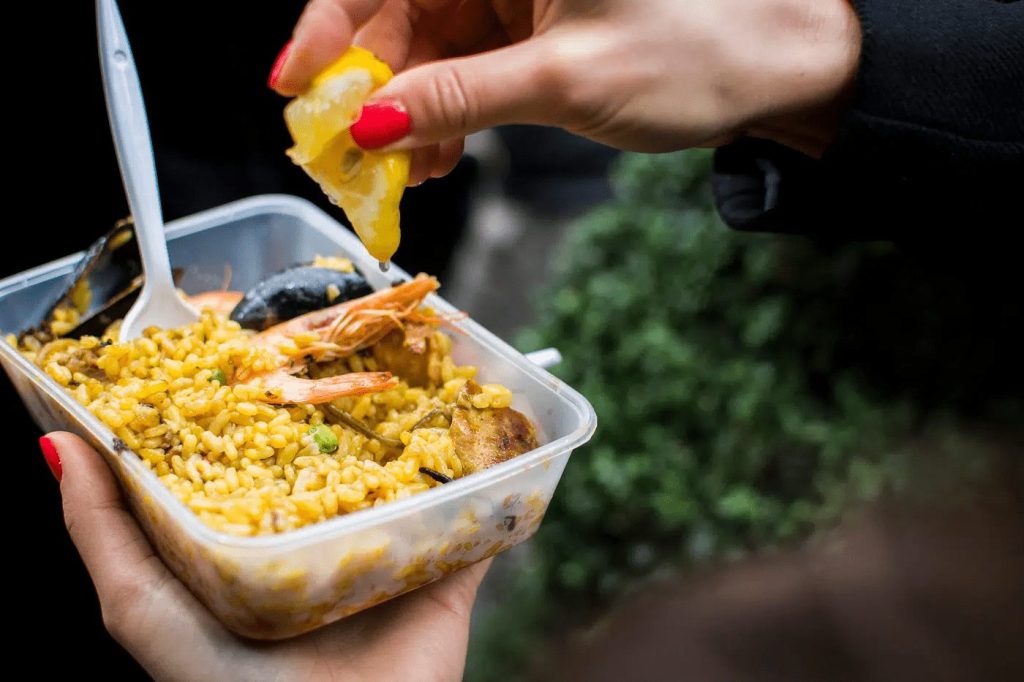
To keep fresh, insulated bags are used by many eateries today. A crucial aspect of providing a delivery service is guaranteeing that meals reach customers at the appropriate temperature. This could entail serving a dessert cold or a pasta dish hot. To keep the temperature hot or cold, you should use the insulated packaging in each case. Cold meals will stay cold and hot dishes will not go soggy with proper wrapping.

Make them presentable
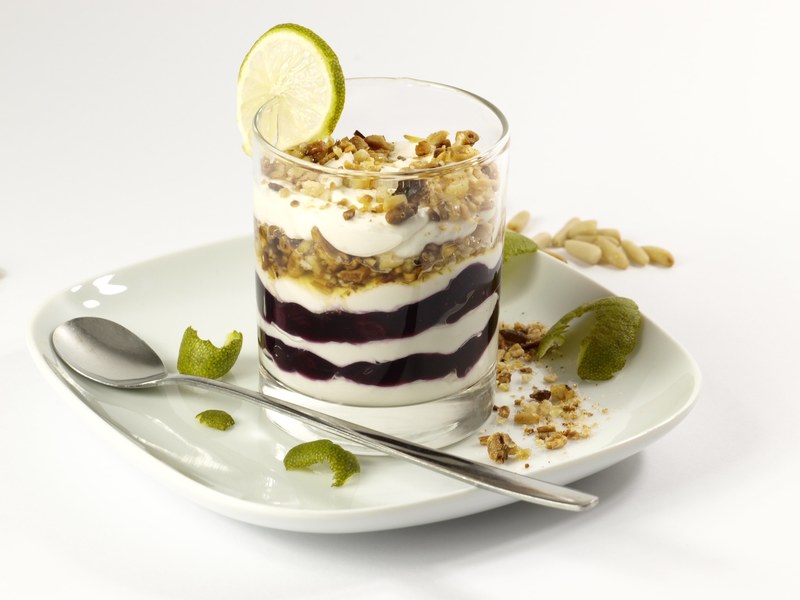
Keep meals aesthetically pleasing. To help customers understand what’s what, try labeling the various sauces and meal components.
Summary
It can be difficult to figure out how to best prepare your food menu for delivery. Your restaurant should remain essentially the same todayy. Allowing consumers to personalize specific components of their meals and alter the menu is one method to strike a balance between these frequently at odds ideals. Customers won’t be able to tell servers exactly what they want to eat.


