Food around the world

Learn about Food around the world.

How do you know when meat is fully cooked?
Food around the world

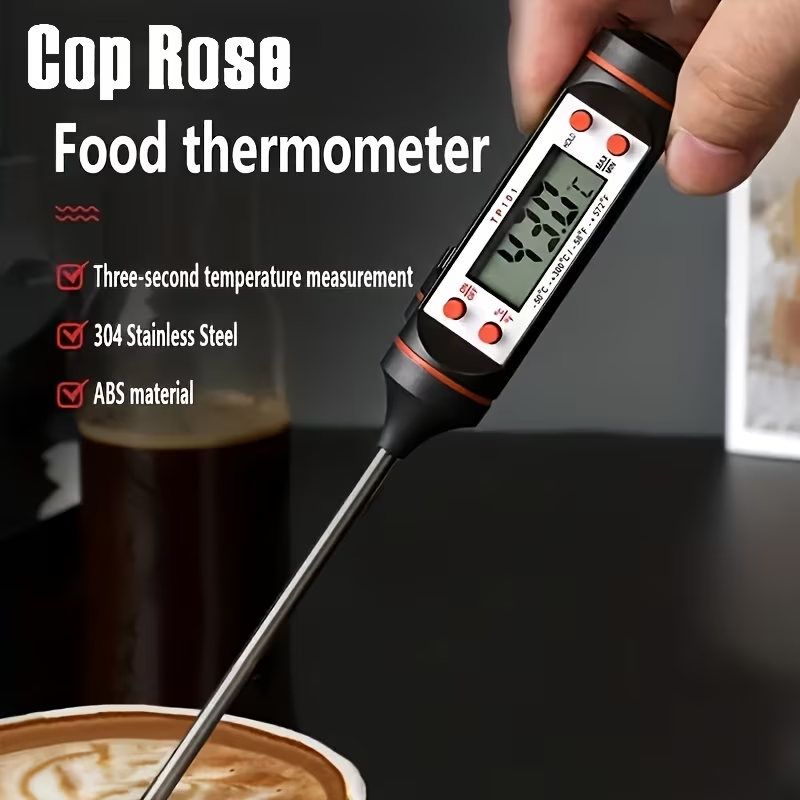
How do you know when meat is fully cooked?

How do you know when meat is fully cooked? You can tell by the temperature. Here is a guide. Meat Type Target Temperature Resting Period Poultry (Whole or Ground) 165°F (74°C) None required Ground Beef, Pork, Lamb 160°F (71°C) None required Steaks, Chops, Roasts (Beef/Pork) 145°F (63°C) 3 Minutes Fresh Ham 145°F (63°C) 3 Minutes Best Practices for Measurement Insert the thermometer probe into the thickest section of the meat. Avoid touching bone, fat pockets, or the cooking vessel, as these distort readings. Calibrate analog dial thermometers periodically in ice water for accuracy. Clean the probe thoroughly between uses to prevent cross-contamination. Mastering meat doneness protects diners and elevates culinary results. Fo...
Food around the world

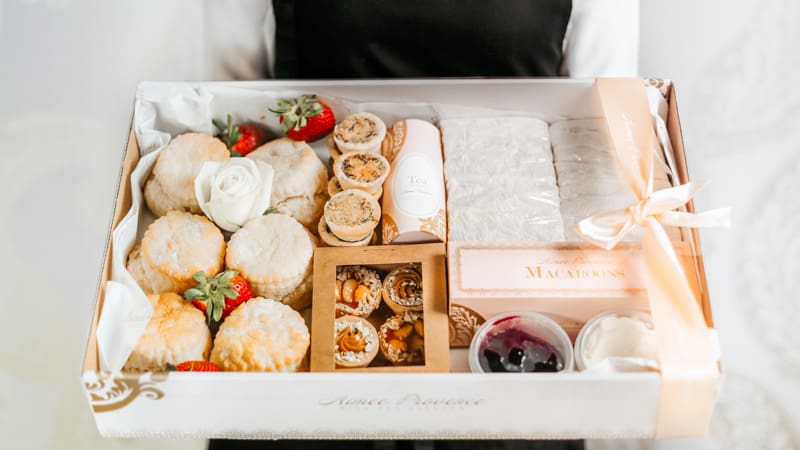
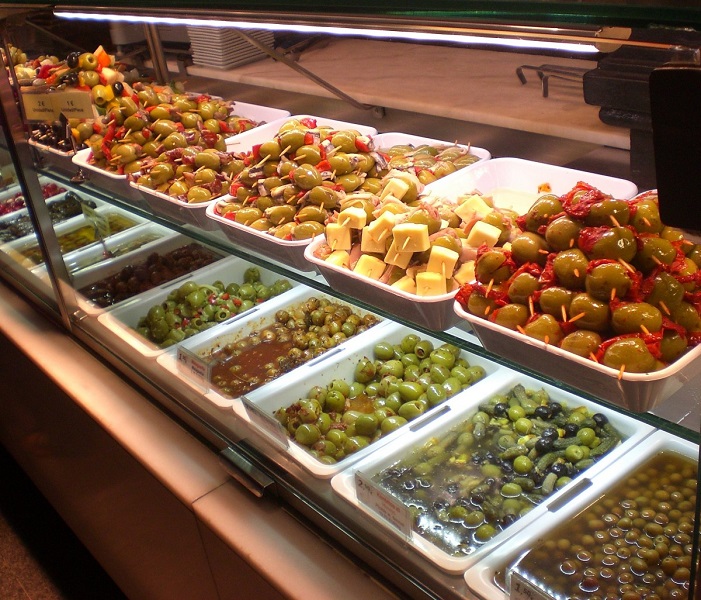
How to search for the perfect gourmet gift baskets

In a world increasingly defined by digital connections, the tangible act of giving a thoughtful gift holds a special significance. And when it comes to conveying warmth, appreciation, or celebration, few gestures are as universally appreciated and undeniably luxurious as a gourmet gift basket. Far from a simple assortment of treats, these curated collections offer an immersive experience, transforming ordinary moments into extraordinary ones and leaving a lasting impression. At its core, a gourmet gift basket is a testament to the art of selection. Each item, from the finest artisanal cheeses and charcuterie to decadent chocolates, small-batch preserves, and premium wines, is chosen with intention. The aim is to create a harmonious symphony of flavors and textures, catering to discernin...
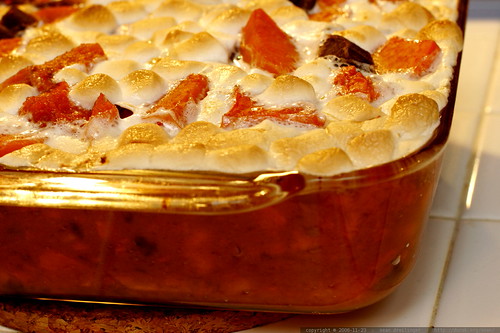
Sweet potato casserole with marshmallows

How to make the perfect sweet potato casserole with canned yams

Sweet potato casserole defines holiday dining, offering a rich, comforting blend of savory and sweet flavors. While traditional recipes emphasize fresh preparation, cooks often require time-efficient alternatives during busy seasons. This guide delivers a professional, dependable recipe for sweet potato casserole with canned yams, ensuring exceptional flavor and texture without the extensive preparation time. We focus on maximizing efficiency, allowing you to produce a classic, crowd-pleasing side dish that maintains authenticity and quality. The Advantage of Utilizing Canned Yams For the busy chef, utilizing canned yams (often labeled “sweet potatoes”) offers significant practical advantages. Canned varieties are pre-cooked, peeled, and typically packed in a light syrup or water, dra...
Food tours culinary experiences

What are names of cities with walking food tours?

Embark on a flavorful journey and discover the world's most delectable destinations with our curated list of cities renowned for their exceptional walking food tours. For the discerning traveler seeking an immersive and authentic culinary experience, a guided visit offers an unparalleled opportunity to explore a city's gastronomic heart, one delicious bite at a time. Our expertly crafted walking tours go beyond mere sightseeing. They connect you with local chefs, passionate meal artisans, and hidden gems that often escape the typical tourist radar. Imagine savoring freshly baked pastries in a centuries-old bakery, sampling artisanal cheeses at a bustling local market, or indulging in diverse street dishes that tells the story of a city's heritage. These tours are designed to engage all ...
Food around the world

How do I start a recipe development project?

For R&D teams, food innovators, and CPG leaders, launching a new recipe development project demands precision and strategic foresight. Unlike informal culinary experimentation, professional development requires a structured methodology that mitigates risk, controls costs, and ensures scalability. Successful projects begin long before the first ingredient enters the mixing bowl. We outline the critical initial steps that define the scope and trajectory of your next food innovation endeavor. Phase 1: Defining the Strategic Mandate Every robust recipe development project begins with a concise, actionable product brief. Stakeholders must clearly define the project’s objectives, consumer target, and market positioning. This document serves as the foundational contract for the entire R&...
Food around the world

Discover the Perfect Gourmet Food Gifts for Every Occasion

Gifting represents a sophisticated expression of appreciation and connection. While many options exist, few convey as much thought and distinction as gourmet food gifts. These carefully curated selections of premium edibles offer a unique way to celebrate milestones, express gratitude, or simply bring joy. Delving beyond the ordinary, luxury gifts provide an immersive sensory experience, making them an unparalleled choice for discerning givers and recipients alike. The Enduring Appeal of Gourmet Gifts Choosing presents numerous advantages. Unlike transient items, these selections provide an opportunity for immediate enjoyment and shared experience. Recipients savor exceptional flavors and premium ingredients, creating memorable moments. Opting for distinctive food gifts demonstrates a he...
Food around the world

How to achieve the best food tours culinary experiences.

Before selecting a destination or itinerary, define your primary objectives. For discerning people, a culinary food tour transcends mere leisure; it represents a strategic opportunity for development, market insight generation, and unparalleled cultural immersion. This gastronomic expedition offers more than delightful flavors; it provides a direct conduit to understanding global food trends, sourcing innovations, and consumer preferences. You can maximize the value of such an experience through meticulous planning and clear objectives. Define Your Strategic Objectives Are you seeking market insights into emerging trends, exploring new ingredient sourcing opportunities, or identifying potential networking opportunities with local food industrys? Perhaps you aim for skill acquisition thro...
Food around the world

How do cooking techniques differ from cooking methods?

In the complex domain of food in the world today, precision in language often reflects precision in practice. While techniques and methods frequently appear interchangeably in casual discourse, a clear understanding of their distinct meanings is fundamental for culinary professionals. This essential differentiation underpins consistent quality, fosters innovation, and elevates mastery in the kitchen. The Definition of Methods Cooking methods represent the overarching strategies for applying heat. They define how heat transfers to ingredients to effect their primary transformation. These methods largely categorize into three groups: Dry Heat: This involves heat application without the presence of moisture, often resulting in browning and crust development. Examples include: Roas...
Food around the world

What are the 10 principles of cookery?

For culinary experts, achieving consistent excellence extends far beyond merely following food preparation directions. True mastery hinges upon understanding and applying foundational principles that define culinary success. These core tenets elevate the appeal, optimize kitchen operations, and ensure a superior dining experience. This article outlines the ten crucial principles guiding superior professional cookery, empowering chefs to refine their craft and innovate with confidence. The Core Tenets of Gastronomic Excellence 1. Ingredient Selection and Quality: Chefs prioritize sourcing the finest, freshest, and most seasonal ingredients available. Understanding how origin, growing conditions, and handling impact flavor, texture, and nutritional value directly influences the final dish...
Food around the world

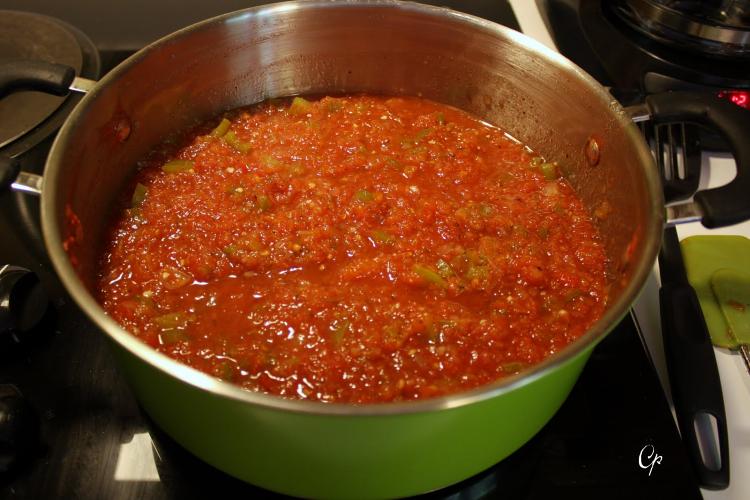
The right way to prepare home made spaghetti sauce

The humble spaghetti sauce, a cornerstone of countless culinary traditions, transcends mere condiment status. While convenient alternatives abound, the homemade rendition stands as a testament to culinary dedication and a profound appreciation for flavor. It represents more than just a meal component; it embodies a meticulous craft, transforming simple ingredients into a rich, aromatic experience that resonates deeply with diners. GETTING THE FOUNDATIONS RIGHT The creation of an exceptional homemade spaghetti sauce commences with a careful selection of prime ingredients. Ripe tomatoes—whether fresh, crushed, or pureed—form the foundational canvas. This base is skillfully layered with an aromatic trinity of finely diced onions, garlic, and often a melange of carrots and celery. Fresh herb...