


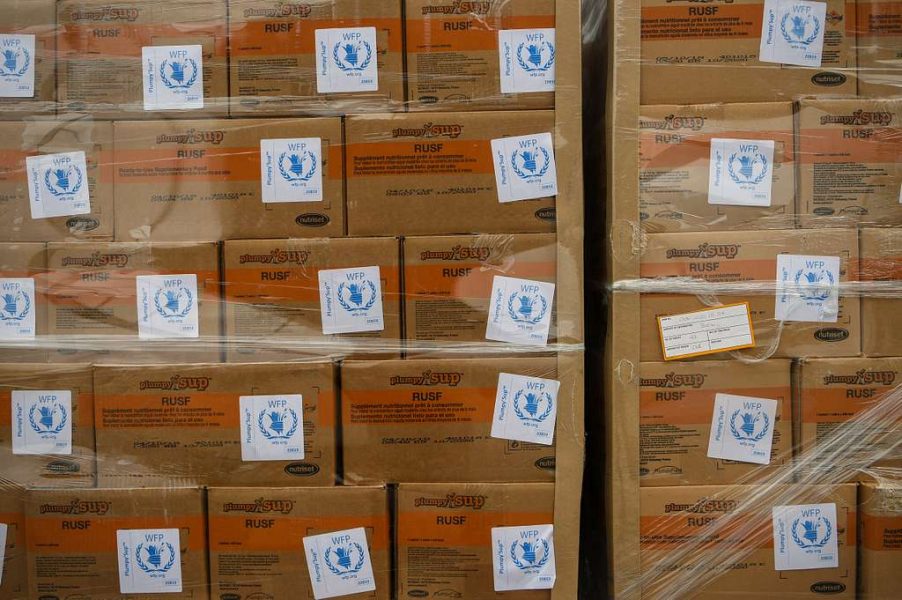
The issue of food security, ensuring that all people at all times have access to sufficient, safe, and nutritious food for an active and healthy life, is a monumental global challenge. While numerous initiatives work to combat hunger and malnutrition, one program stands out today for its sheer scale and impact: the World Food Programme (WFP).
THE ESTABLISHMENT
Established by the United Nations General Assembly in 1961, the World Food Programme is the world’s leading humanitarian organization saving lives in emergencies and using food assistance to build a pathway to peace, stability, and prosperity for people recovering from conflict, disasters, and the impact of climate change. It is not a single, static program, but rather a vast and dynamic operation that adapts to the ever-changing needs of a world grappling with food insecurity.
The WFP’s operations are truly global, reaching millions of people across more than 120 countries each year. Its work encompasses a wide spectrum of interventions:
Emergency Food Assistance: This is perhaps the most visible aspect of the WFP’s work. When natural disasters strike, conflicts erupt, or famines loom, the WFP is often on the front lines, providing life-saving food rations to displaced populations and vulnerable communities. They deliver not only staple foods but also specialized nutritional products for children, pregnant women, and nursing mothers, addressing critical micronutrient deficiencies.
Resilience Building and Livelihoods: Beyond immediate relief, the WFP focuses on empowering communities to become more resilient to future shocks. This involves supporting smallholder farmers, improving agricultural practices, providing vocational training, and helping people build assets and access markets. The aim is to address the root causes of food insecurity and foster long-term self-sufficiency.
SOCIAL PROGRAMS FOR DEVELOPING COUNTRIES
School Feeding Programs: The WFP is a major provider of school meals globally. These programs not only ensure that children receive essential nutrition to learn and thrive but also incentivize school attendance, particularly for girls, and support local economies by sourcing food from nearby farmers.
Logistics and Supply Chain Expertise: A critical but often unseen element of the WFP’s success is its unparalleled expertise in logistics. They manage complex supply chains, transporting food and other essential goods across challenging terrains and through volatile environments. This logistical prowess is vital for reaching the most remote and hard-to-access populations.
The scale of the WFP’s operations is staggering. In a typical year, it mobilizes billions of dollars in funding, procures and distributes millions of metric tons of food, and relies on a global network of staff, partners, and volunteers. Its ability to respond rapidly and effectively to crises, coupled with its strategic focus on long-term solutions, solidifies its position as the world’s largest and most comprehensive food security program. While the fight against hunger is far from over, the World Food Programme remains an indispensable force in humanity’s collective effort to ensure no one goes to bed hungry.
School Feeding Programs: The WFP is a major provider of school meals globally. These programs not only ensure that children receive essential nutrition to learn and thrive but also incentivize school attendance, particularly for girls, and support local economies by sourcing food from nearby farmers.
Logistics and Supply Chain Expertise: A critical but often unseen element of the WFP’s success is its unparalleled expertise in logistics. They manage complex supply chains, transporting food and other essential goods across challenging terrains and through volatile environments. This logistical prowess is vital for reaching the most remote and hard-to-access populations.
SUMMARY
The scale of the WFP’s operations is staggering. In a typical year, it mobilizes billions of dollars in funding, procures and distributes millions of metric tons of food, and relies on a global network of staff, partners, and volunteers. Its ability to respond rapidly and effectively to crises, coupled with its strategic focus on today and long-term solutions, solidifies its position as the world’s largest and most comprehensive food security program. While the fight against hunger is far from over, the World Food Programme remains an indispensable force in humanity’s collective effort to ensure no one goes to bed hungry.


