Today food recipes

Today food recipes helps you with cooking ideas.

What is the difference between food and meal?
Today food recipes

What is the difference between food and meal?

What is the difference between food and meal? While often used interchangeably in casual conversation, a closer examination reveals a nuanced and profound distinction between the two. "Food" refers to the raw materials or prepared substances ingested for sustenance, whereas a "meal" signifies a structured event or occasion of consumption, typically involving multiple food items prepared and served together. Understanding this delineation today is not merely a semantic exercise; it offers critical insights into nutrition, culinary arts, cultural practices, and the very fabric of human societal life. Defining "Food": The Building Blocks of Sustenance At its most fundamental, food is any substance, solid or liquid, that can be ingested by an organism to provide nutritional support. It encom...
Today food recipes

What are the top 10 best foods?

What are the top 10 best foods? The quest to identify the "best" foods is a culinary and nutritional pursuit that has captivated humanity for centuries up to today. Yet, the very notion of "best" is inherently subjective, influenced by cultural heritage, personal preferences, dietary needs, and ethical considerations. To navigate this complexity and provide a professionally curated selection, this analysis establishes a comprehensive set of criteria: Exceptional Nutritional Value: Foods offering a dense array of essential vitamins, minerals, antioxidants, fiber, and beneficial macronutrients. Remarkable Culinary Versatility: Ingredients that can be incorporated into a wide variety of dishes across different cuisines, adapting to diverse preparation methods and flavor profiles. G...
Today food recipes

What are the 4 reasons why food is eaten?

What are the 4 reasons why food is eaten? Well, the answer is not difficult to guess. Food, while its primary function is often perceived as biological, the act of eating is a profoundly intricate behavior driven by a confluence of interwoven factors. Beyond the simplistic need to survive, human consumption of food is shaped by physiological demands, social constructs, psychological needs, and ingrained habits. Understanding these four principal reasons offers a comprehensive perspective on why individuals eat. WHY IT IS NECCESSARY TO EAT FOOD The foremost reason for food consumption is Physiological Sustenance. Food fuels metabolic processes, maintains body temperature, facilitates cellular regeneration, and supports organ function. Without regular intake, the body cannot perform its vi...
Today food recipes

Why do you cook food? We do so for digestible nourishment

Cooking, an activity deeply ingrained in human history, extends far beyond the simple act of preparing sustenance. While its primordial function was undeniably about survival – transforming raw ingredients into digestible and safe nourishment – the contemporary motivations for engaging in culinary practices are remarkably diverse and profoundly enriching. THE MAIN REASONS WHY WE COOK FOOD At its most fundamental level, cooking is an exercise in health and control. Why do you cook food? It allows individuals to manage nutritional content, avoid unwanted additives, and cater precisely to specific dietary requirements or allergies. This autonomy over one's food intake directly contributes to better health outcomes and a sense of personal well-being. Furthermore, the economic advantage we ha...
Today food recipes

What are types of food? Read about the major categories.

The Multifaceted World of Food: A Comprehensive Classification Food, the cornerstone of life, is far more than mere sustenance. It is a complex tapestry woven from biology, chemistry, culture, and economics, serving not only to nourish the body but also to fuel communities, shape traditions, and express identity. Understanding the diverse types of food requires a multifaceted approach, as classification can occur along various axes, including nutritional content, origin, processing level, culinary application, and cultural significance. This comprehensive exploration delves into the primary methods of categorizing food, illustrating the intricate web of characteristics that define what we eat. I. Nutritional Classification: The Building Blocks of Life Perhaps the most fundamental way to...
Today food recipes

How cutlery sets complete the cooking and eating experience

Cutlery, often an overlooked aspect of dining, plays a significant role in our culinary experiences. From the simplest family meal to a lavish banquet, the types and designs of cutlery we use can enhance not just the aesthetics of the table setting but also the functionality and enjoyment of today food recipes. This article explores the various dimensions of cutlery, its evolution, and its impact on dining culture. A Brief History of Cutlery Cutlery has a rich history that dates back to ancient civilizations. The word itself derives from the Latin "cultellus," meaning a small knife. Initially, dining utensils were rudimentary, made from natural materials like wood, bone, or stone. The use of metals emerged around the Bronze Age, with copper and bronze being common choices. By the Midd...
Today food recipes

The Guide to Choosing Your Chopping Board

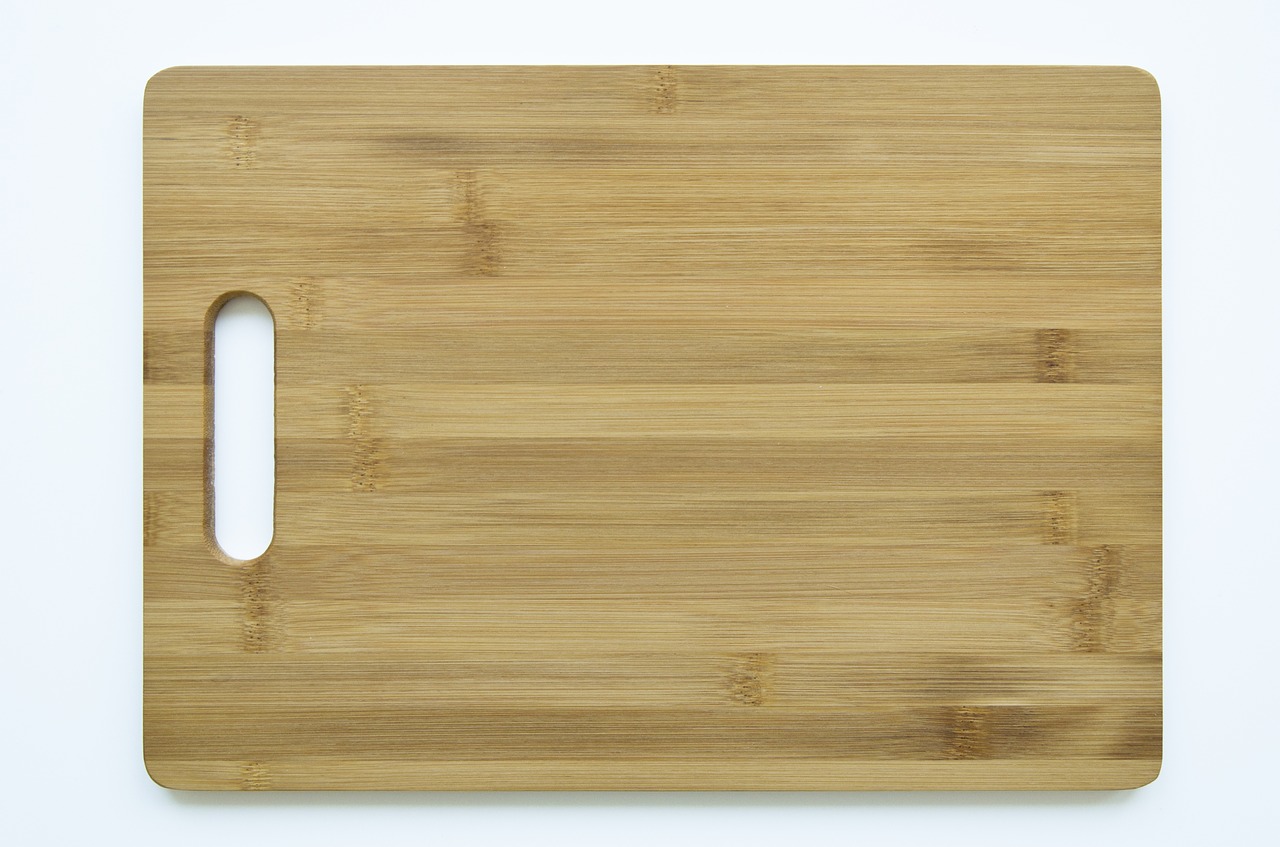
A chopping board is an essential accessory in the kitchen due to its utility. While it may seem like a simple tool, the right chopping board can enhance your today food recipes cooking experience and even improve food safety. In this article, we will explore the different types of chopping boards, their uses, and how to properly care for them. Types of Chopping Boards Chopping boards come in various materials, each with its own set of advantages and disadvantages: Wooden Chopping Boards:  Pros: Durable, gentle on knife blades, and often aesthetically pleasing. They also have natural antimicrobial properties.  Cons: Requires regular oiling and can absorb odors if not maintained properly.  Plastic Chopping Boards:  Pros: Lightweight, dishwasher safe, and often more afforda...
Today food recipes

What is the relationship between food security and nutrition?

The terms "food security" and "nutrition" are often spoken in the same breath, and for good reason. While one addresses the availability of food, the other delves into its quality and impact on health. Understanding their intricate relationship today is vital to building healthier individuals and more resilient communities. FOOD IS A BASIC HUMAN NEED At its core, food security means having consistent access to enough safe and nutritious food for an active and healthy life. This isn't just about having any food; it's about having adequate food. Think of it as the foundation upon which good nutrition is built. Without reliable access to food, the very possibility of consuming a balanced diet becomes a distant dream. Nutrition, on the other hand, focuses on the process of consuming and u...
Today food recipes

What are the benefits of buying food from local sources?

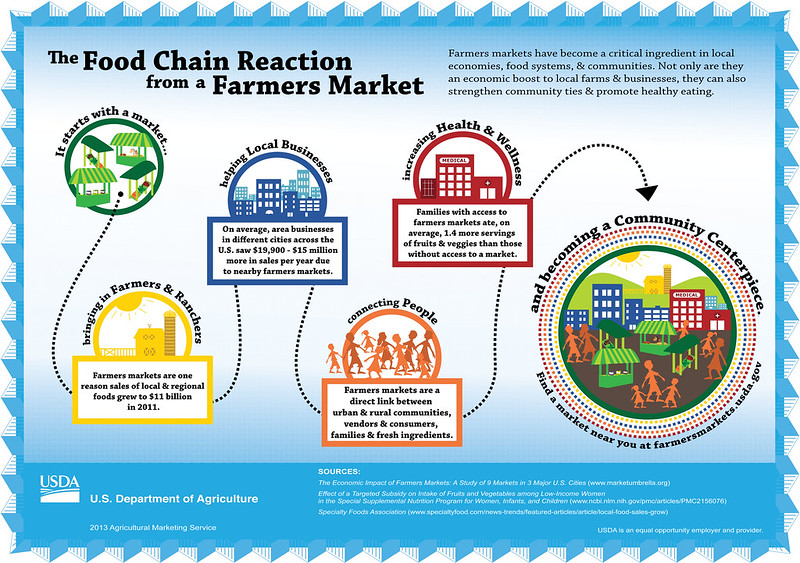
In an era of globalized commerce and sprawling supermarket aisles, the simple act of choosing food from local sources offers a surprisingly rich tapestry of benefits. Beyond the obvious appeal of fresher produce, supporting local food systems cultivates a more vibrant community, a healthier environment, and often, a more delicious culinary experience today. WHY YOU MUST BUY FOOD FROM YOUR LOCAL MARKET One of the most immediately noticeable advantages is the superior freshness and flavor. When food travels shorter distances, it spends less time in transit and storage, meaning it reaches your table closer to its peak ripeness. This translates to brighter colors, more robust textures, and a more intense, authentic taste. Imagine biting into a tomato still warm from the sun, or savoring the ...
Today food recipes

Mistakes Beginner Cooks Make with Food Recipes. How to Avoid Them

Embarking on a culinary adventure can be an incredibly rewarding experience. The joy of creating a delicious meal from scratch and sharing it with loved ones is unmatched. However, the path to becoming a confident cook is often paved with burnt offerings, bland flavors, and culinary missteps. Every professional chef has faced their fair share of kitchen calamities. Recognizing common errors that beginners make is the first step towards achieving culinary mastery in . This article will explore some of the most frequent blunders made by novice cooks and provide practical advice on how to steer clear of these pitfalls, ensuring a more enjoyable and successful cooking journey. 1. Ignoring the Mise en Place: The Foundation of Flavor One of the most crucial yet often overlooked aspects of ...